Hummingbirds: Nature's Aerial Acrobats
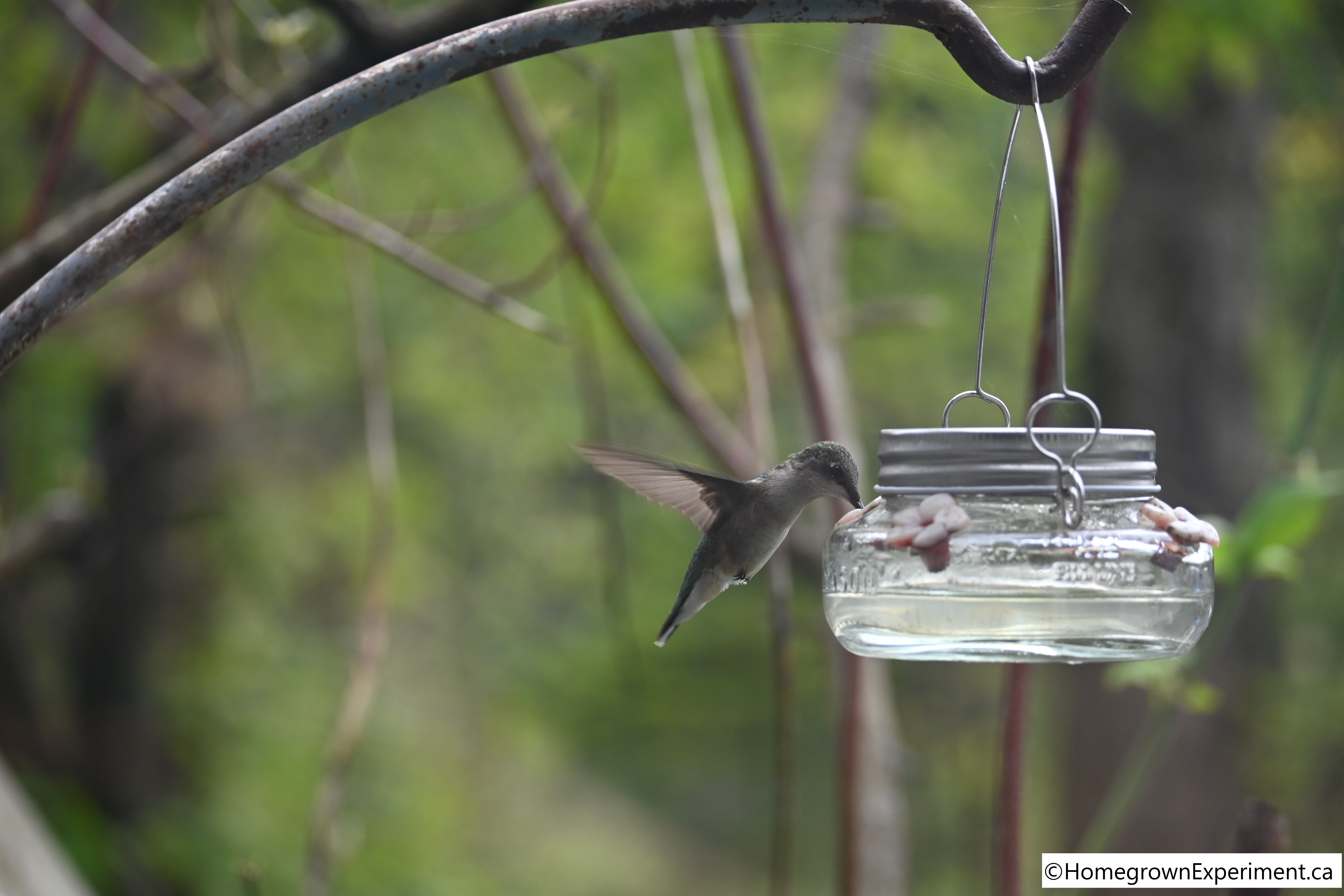
Hummingbirds are one of nature's most fascinating creatures, captivating the hearts of bird enthusiasts and scientists alike. These tiny, vibrant birds are renowned for their unique flying abilities, stunning iridescent plumage, and high-energy lifestyles. Let's get into the remarkable world of hummingbirds, exploring their physical characteristics, flight mechanics, diet, migration patterns, and much more.
They are small, with the tiniest species, the Bee Hummingbird, measuring just 2 inches (5 cm) in length and weighing less than 2 grams. Despite their small size, they are known for their brilliant, iridescent feathers, which can appear to change color depending on the light. This dazzling display is not due to pigments but to the microscopic structure of their feathers, which refracts light.
Their long, slender bills are perfectly adapted for feeding on nectar from flowers, and their specialized tongues can extend far beyond the tip of their bills to reach deep into blossoms.
Hummingbirds are the only birds that can hover in mid-air, thanks to their unique wing structure. They have a ball-and-socket joint at the shoulder, allowing their wings to rotate 180 degrees in all directions. This flexibility, combined with rapid wing beats—ranging from 50 to 80 times per second—enables them to fly not only forward but also backward and sideways, and to perform intricate aerial maneuvers.
Their flight muscles are incredibly powerful, making up about 30% of their body weight. This muscle strength is crucial for sustaining their high-energy lifestyle.
Given their rapid wing beats and high metabolism, hummingbirds require a substantial amount of energy. They primarily feed on nectar, which provides the sugars necessary for their energy-intensive flying. However, nectar alone doesn't supply all their nutritional needs. To get protein, vitamins, and minerals, they also consume insects and spiders.
A hummingbird can visit hundreds of flowers each day to meet its dietary needs. Their keen memory helps them remember which flowers they have visited and when, ensuring they return to those that have replenished their nectar and pollen.
Heart Rate: A hummingbird's heart can beat over 1,200 times per minute during flight.
Memory: They have excellent memories, particularly for flower locations and feeder sites.
Torpor: To conserve energy, hummingbirds can enter a state of torpor; a state of decreased physiological activity in animals, characterized by a significant reduction in metabolic rate, body temperature, heart rate, and respiratory rate., significantly lowering their metabolism and body temperature.
Longevity: Despite their high metabolic rate, some hummingbirds can live up to 9 years in the wild, with some individuals recorded living over a decade.
Breeding seasons vary by region and species, but generally, they breed once or twice a year. Females are solely responsible for nest building, incubation, and caring for the chicks. Nests are typically made from plant fibers, down, and spider silk, creating a sturdy yet flexible structure.
Hummingbird eggs are incredibly small, about the size of peas. Chicks hatch blind and featherless, relying entirely on their mother for warmth and food. They grow quickly, fledging in about three weeks.
Hummingbirds face various threats, including habitat loss, climate change, and pesticide use. Conservation efforts are essential to ensure these remarkable birds continue to thrive. Protecting natural habitats, planting native flowering plants, and maintaining hummingbird feeders can all contribute to their survival.
Many hummingbird species undertake impressive migratory journeys. For instance, the Ruby-throated Hummingbird migrates from North America to Central America, a journey that can include a nonstop flight over the Gulf of Mexico—covering about 500 miles in one go.
Migration is triggered by changes in daylight and temperature, and these tiny birds rely on their fat reserves to fuel their long flights. They often follow specific routes, taking advantage of stopover sites rich in food to rest and refuel.
Here are some details about the migration paths of various hummingbird species:
Breeding Range: Eastern North America, from southern Canada to the Gulf of Mexico.
Wintering Range: Central America, primarily in Mexico, Guatemala, and Belize.
Migration Path: This species undertakes a remarkable migration, flying nonstop across the Gulf of Mexico, a journey of about 800 kilometers (500 miles) that can take up to 18 hours.
.jpg) Larry Lamsa - Rufous Humming Bird https://en.wikipedia.org/wiki/Rufous_hummingbird#/media/File:Rufous_Humming_Bird_(52253804217).jpg
Larry Lamsa - Rufous Humming Bird https://en.wikipedia.org/wiki/Rufous_hummingbird#/media/File:Rufous_Humming_Bird_(52253804217).jpg
Breeding Range: Northwestern North America, from southern Alaska to the northwestern United States.
Wintering Range: Mexico, particularly in the states of Sinaloa and Guerrero.
Migration Path: Rufous Hummingbirds are known for their extensive migration, one of the longest of any hummingbird species. They travel along the Pacific Coast, through the Rocky Mountains, and can be found as far north as Alaska during the breeding season.
 https://upload.wikimedia.org/wikipedia/commons/f/fb/Archilochus-alexandri-003.jpg
Breeding Range: Southwestern United States, from Texas to Nevada.
Wintering Range: Mexico, particularly along the Pacific Coast and in interior regions.
Migration Path: These birds follow a more inland route compared to other species, moving through the western United States and Mexico.
 https://en.wikipedia.org/wiki/Broad-tailed_hummingbird#/media/File:Male_Broad-tailed_Hummingbird_1.jpg
Breeding Range: Rocky Mountains and southwestern United States, from Colorado to northern Mexico.
Wintering Range: Mexico and Central America.
Migration Path: Broad-tailed Hummingbirds migrate through the mountainous regions of the western United States, often taking advantage of blooming flowers at different elevations as they move south.
 By Robert McMorran, United States Fish and Wildlife Service - Anna's hummingbird, Public Domain, https://en.wikipedia.org/wiki/Anna%27s_hummingbird#/media/File:Anna's_hummingbird.jpg
Breeding and Wintering Range: West Coast of the United States and Canada, from southern British Columbia to Baja California.
Migration Path: Unlike many other hummingbirds, Anna's Hummingbirds are largely resident, with some populations making short-distance migrations or altitudinal movements to find food.
 Dan Pancamo - Flickr: Calliope Hummingbird of Laffite's Cove, https://en.wikipedia.org/wiki/Calliope_hummingbird#/media/File:Calliope_Hummingbird_by_Dan_Pancamo.jpg
Breeding Range: Western United States, from northern California to southern British Columbia.
Wintering Range: Mexico, primarily in central and southern regions.
Migration Path: Calliope Hummingbirds migrate through the western United States, often following the Sierra Nevada and Rocky Mountains.
.jpg) m.shattock, https://en.wikipedia.org/wiki/Allen's_hummingbird#/media/File:Allen's_Hummingbird_Selasphorus_sasin_(32540935410).jpg
m.shattock, https://en.wikipedia.org/wiki/Allen's_hummingbird#/media/File:Allen's_Hummingbird_Selasphorus_sasin_(32540935410).jpg
Breeding Range: Coastal California and southern Oregon.
Wintering Range: Central Mexico.
Migration Path: Allen's Hummingbirds follow the Pacific Coast during their migration, with some birds wintering along the California coast as well.
Hummingbirds are extraordinary creatures that embody the wonders of nature. Their remarkable adaptations, from hovering flight to their iridescent beauty, make them a unique subject of study and admiration. By understanding and supporting their needs, we can help ensure these tiny aviators continue to enchant and inspire future generations.
Whether you're a seasoned birdwatcher or a curious nature lover, there's always something new to learn and appreciate about the marvelous world of hummingbirds.
Categories: Wildlife Tags: #Wildlife, #Hummingbirds
 November 16th, 2023
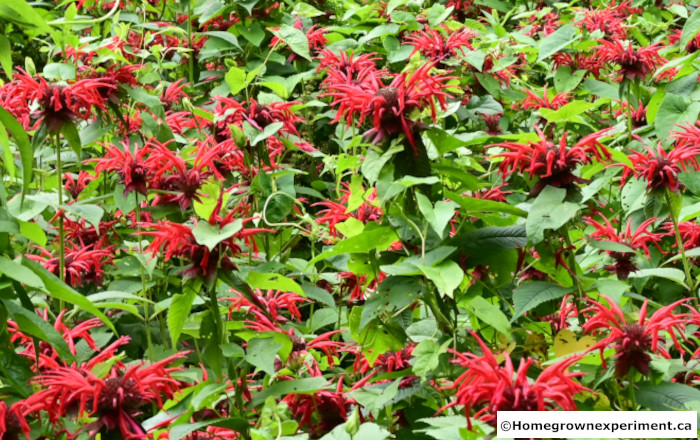
In the world of gardening and herbalism, few plants capture the imagination quite like bee balm (Monarda didyma).
 July 3rd, 2024
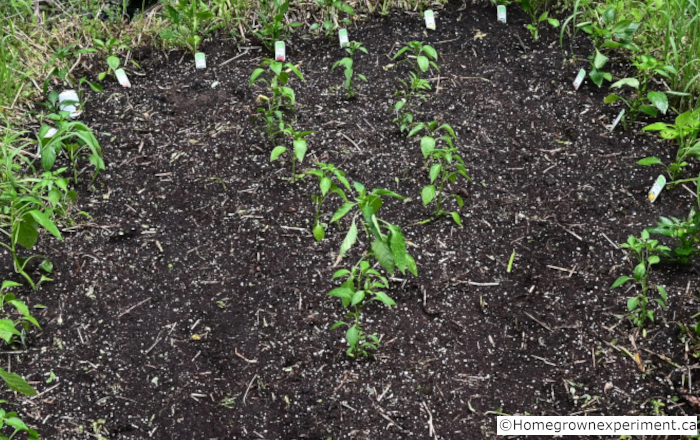
From sweet bell peppers in a rainbow of colors to spicy jalapeños and even the intimidating ghost peppers, the possibilities are endless.
 August 23rd, 2023
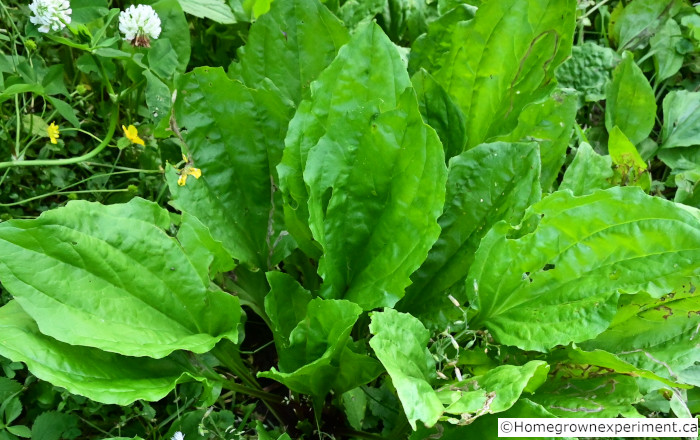
In the world of herbal medicine, few plants are as revered and relied upon as plantain (Plantago major).
 May 11th, 2024
This mesmerizing light display is a breathtaking testament to the power of our planet's atmosphere