Bee Balm (Monarda): The Vibrant and Versatile Native Perennial
In the world of gardening and herbalism, few plants capture the imagination quite like bee balm (Monarda didyma). With its striking blooms, aromatic foliage, and myriad of uses, bee balm stands out as a beloved native perennial that adds both beauty and functionality to gardens and landscapes. Historically, Native American tribes such as the Oswego and Menominee used bee balm for its medicinal properties, as well as its culinary and ceremonial significance. In this plant profile, we'll explore the fascinating characteristics, cultivation tips, and practical uses of this remarkable herb.
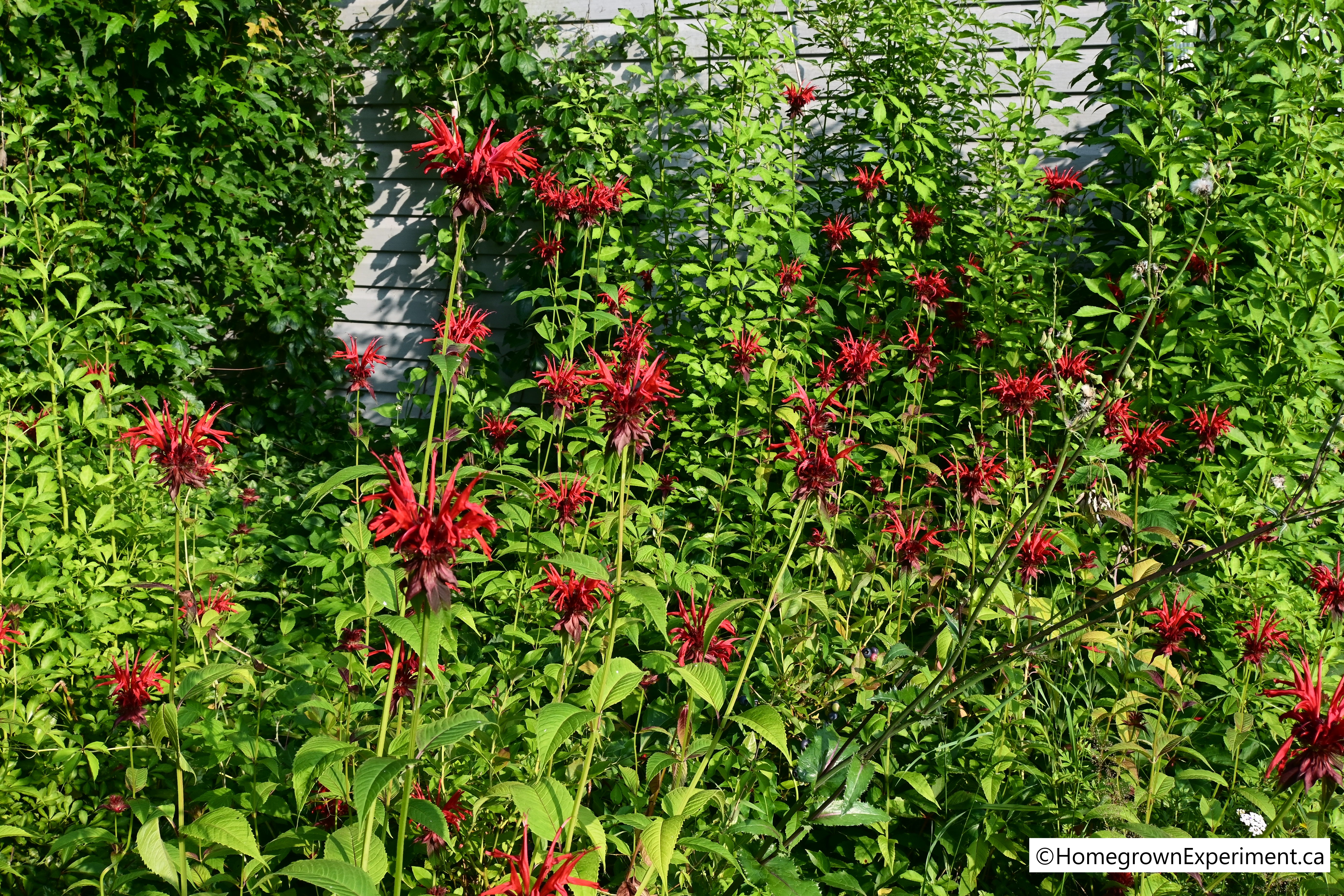
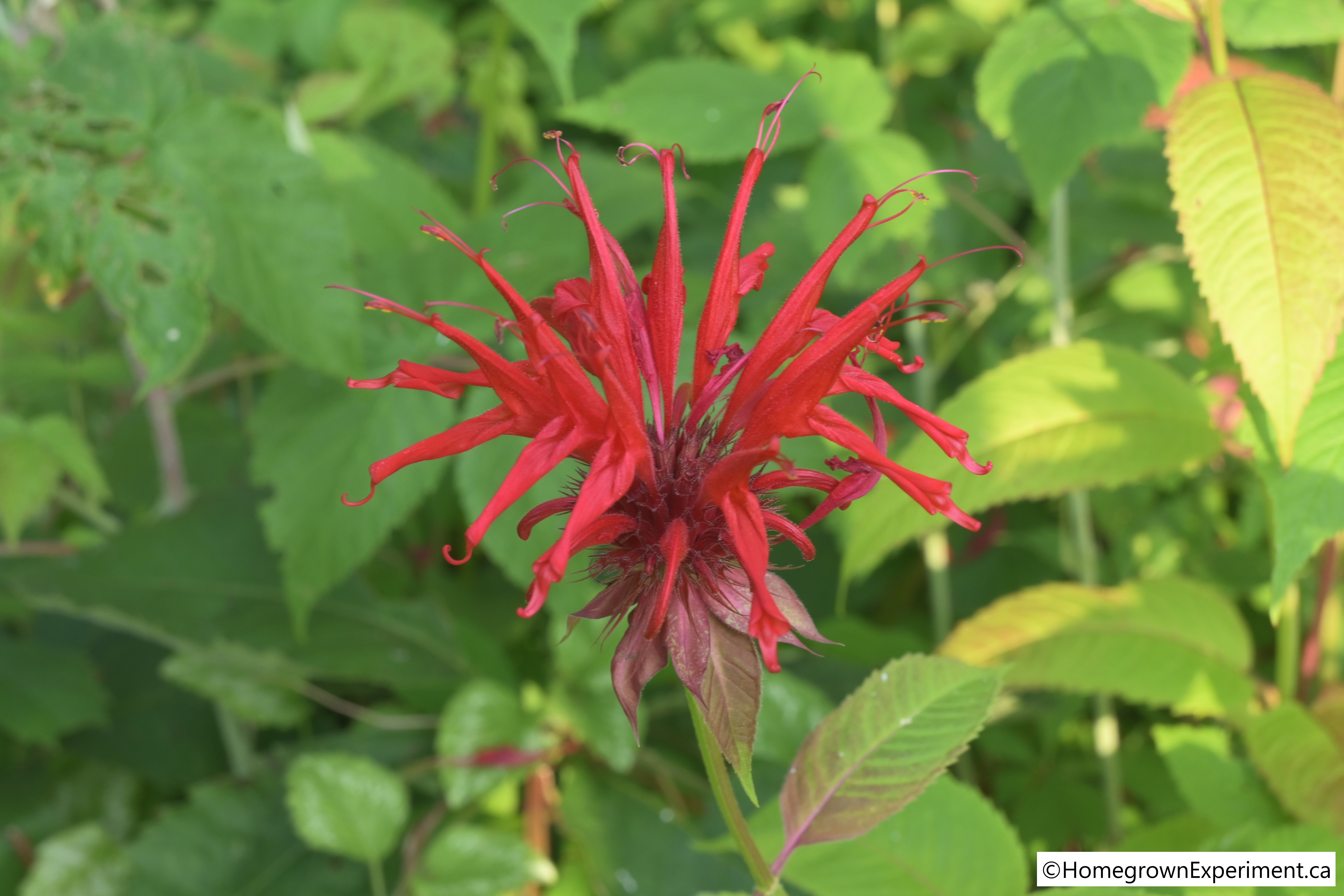
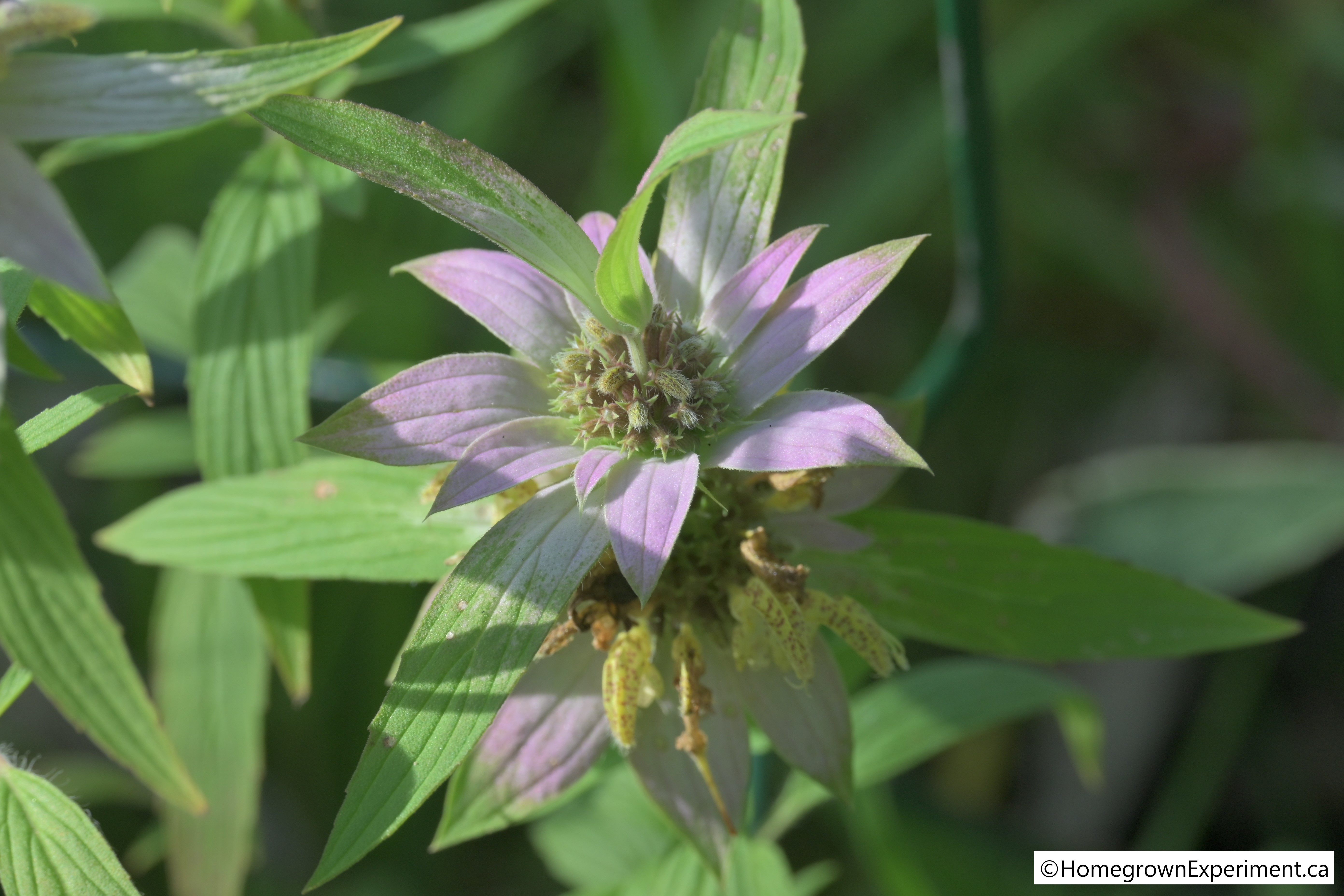
Bee balm, also known as wild bergamot or Oswego tea, is a member of the mint family (Lamiaceae) and is native to North America and is perennial to zones 4-9. It is characterized by its showy clusters of tubular flowers that come in shades of red, pink, purple, and white, attracting pollinators such as bees, butterflies, and hummingbirds. The aromatic foliage of bee balm releases a delightful fragrance when brushed or crushed, adding to its allure in the garden.
Bee balm is a hardy perennial that thrives in a variety of growing conditions. Here are some tips for cultivating and caring for this versatile plant:
• Sunlight: Plant bee balm in a location that receives full sun to partial shade. While it can tolerate some shade, it will produce more flowers in a sunny spot.
• Soil: Bee balm prefers moist, well-draining soil with a slightly acidic to neutral pH. Amending the soil with organic matter such as compost can improve its texture and fertility.
• Watering: Keep the soil consistently moist but not waterlogged, especially during periods of hot, dry weather. Mulching around the base of the plant can help retain moisture and suppress weeds.
• Pruning: Deadhead spent flowers regularly to encourage continuous blooming and prevent self-seeding. In late fall or early spring, cut back the stems to the ground to promote vigorous growth and prevent overcrowding.
• Propagation: Bee balm can be propagated by division in early spring or fall. Simply dig up mature clumps, separate them into smaller sections, and replant them in desired locations.
Beyond its ornamental value, bee balm has a multitude of practical uses in the garden, kitchen, and medicine cabinet:
• Pollinator Attractor: Bee balm is a favorite among pollinators, including bees, butterflies, and hummingbirds. Planting bee balm in your garden helps support these important pollinators and promotes biodiversity.
• Herbal Tea: The aromatic leaves and flowers of bee balm can be dried and brewed into a refreshing herbal tea known as Oswego tea. It has a citrusy, minty flavor and is often enjoyed hot or cold.
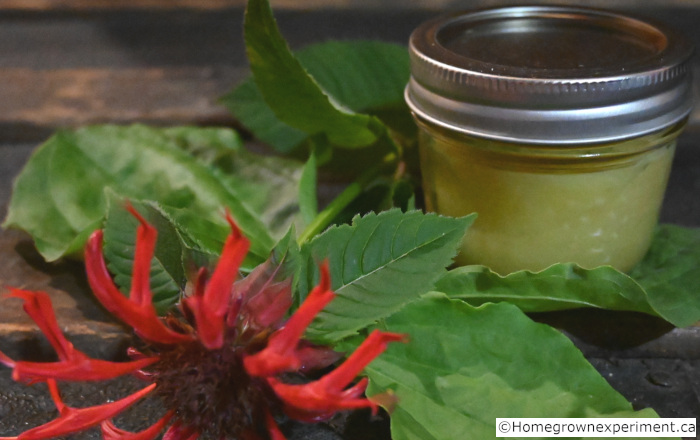
• Medicinal Remedy: Traditionally, bee balm has been used by Native American tribes for its medicinal properties. It is believed to have antimicrobial, anti-inflammatory, and antispasmodic properties, making it useful for treating colds, sore throats, and digestive issues. Take a look at our post about crafting your own herbal salves here
• Culinary Herb: Bee balm leaves can be used fresh or dried as a culinary herb, imparting a citrusy, minty flavor to dishes. Add chopped bee balm leaves to salads, sauces, marinades, and herbal butters for a burst of flavor.
Ingredients: Fresh or dried bee balm leaves and flowers, Water, Honey or lemon (optional, for taste)
Instructions:
Harvest the Bee Balm: If you're using fresh bee balm, gather about a handful of leaves and flowers. If using dried bee balm, use about 1-2 teaspoons per cup of tea.
Prepare the Bee Balm: Rinse the fresh bee balm leaves and flowers under cold water to remove any dirt or bugs.
Boil Water: Bring water to a boil. You'll need about one cup of water for each serving of tea.
Steep the Bee Balm: Place the fresh or dried bee balm in a teapot or cup. Pour the boiling water over the bee balm. Cover and let it steep for about 10-15 minutes.
Strain and Serve: After steeping, strain the tea to remove the leaves and flowers. Pour the tea into a cup.
Optional Additions: Add honey or lemon to taste, if desired
• Antimicrobial Properties: Bee balm possesses potent antimicrobial properties, making it effective against a wide range of pathogens, including bacteria, viruses, and fungi. Its antimicrobial compounds help combat infections and promote overall immune health.
• Anti-Inflammatory Effects: The leaves and flowers of bee balm contain anti-inflammatory compounds that can help alleviate pain and reduce inflammation associated with conditions such as arthritis and digestive disorders.
• Digestive Aid: Traditionally used as a digestive tonic, bee balm can help relieve indigestion, bloating, and gastrointestinal discomfort. It stimulates digestion, promotes bile flow, and soothes the digestive tract.
• Respiratory Support: Bee balm is often used to alleviate respiratory ailments such as coughs, colds, and sinus infections. Its expectorant properties help loosen mucus and clear congestion, making it easier to breathe.
• Antioxidant Protection: Rich in antioxidants, bee balm helps combat oxidative stress and neutralize free radicals, which can damage cells and contribute to chronic diseases such as cancer and heart disease.
• Relaxation and Stress Relief: The aromatic essential oils found in bee balm have a calming effect on the nervous system, promoting relaxation and reducing stress and anxiety. Enjoying a cup of bee balm tea or inhaling its fragrance can help soothe frazzled nerves and induce a sense of calm.
Bee balm is a true gem of the garden, offering beauty, fragrance, and practicality in equal measure. Whether you're seeking to attract pollinators, brew a soothing cup of tea, or add flavor to your culinary creations, bee balm has something to offer. With its easy cultivation, striking blooms, and versatile uses, bee balm deserves a place of honor in any garden or landscape. Embrace the magic of this native perennial and enjoy the abundance of benefits it brings to your outdoor spaces.
*I am not a doctor nor am I giving any medical advice. Please consult your doctor for any actual medical advice*
Categories: Herbs Tags: #Bee Balm, #Medicinal
 November 16th, 2023
In the world of gardening and herbalism, few plants capture the imagination quite like bee balm (Monarda didyma).
 July 3rd, 2024
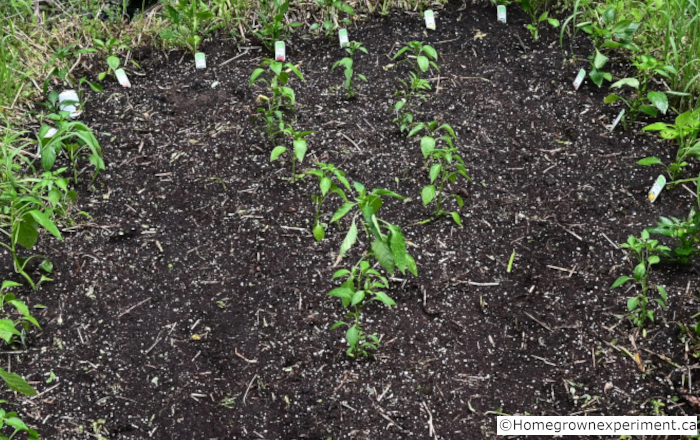
From sweet bell peppers in a rainbow of colors to spicy jalapeños and even the intimidating ghost peppers, the possibilities are endless.
 August 23rd, 2023
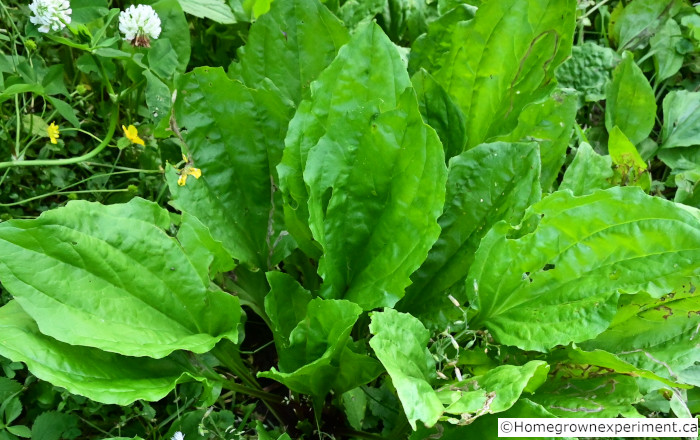
In the world of herbal medicine, few plants are as revered and relied upon as plantain (Plantago major).
 May 11th, 2024
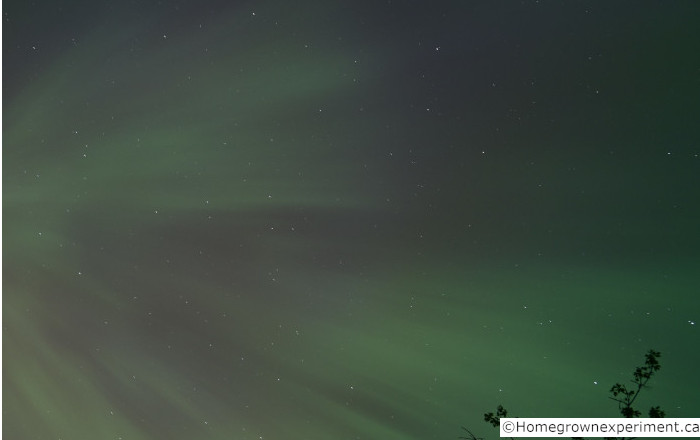
This mesmerizing light display is a breathtaking testament to the power of our planet's atmosphere