Crafting Your Own Herbal Salves: A Guide to DIY Remedies
In today's fast-paced world, many of us are seeking natural alternatives to commercial products, especially when it comes to skincare and wellness. Enter herbal salves—a time-honored remedy that harnesses the power of dried herbs to soothe and heal a variety of ailments. In this guide, we'll explore the art of making salves from dried herbs, empowering you to create your own customized healing remedies right at home.
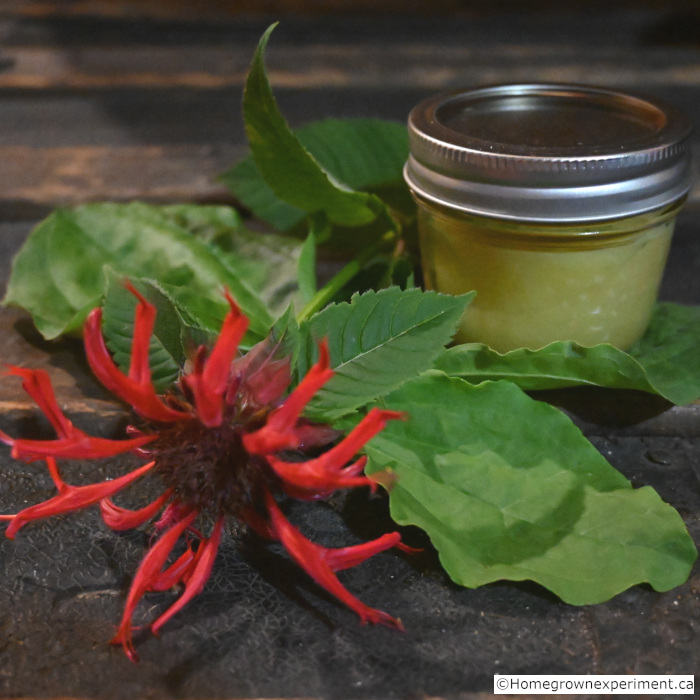
The first step in making herbal salves is choosing the right herbs for your desired purpose. Whether you're aiming to relieve dry skin, ease muscle pain, or soothe minor cuts and scrapes, there's an herb out there to suit your needs. Some popular options include:
• Plantain: Plantain leaves are known for their anti-inflammatory and wound-healing properties, making them an excellent addition to salves for treating minor cuts, insect bites, and skin irritations.
• Calendula: Known for its anti-inflammatory and skin-soothing properties, calendula is excellent for promoting wound healing and relieving skin irritations.
• Lavender: With its calming aroma and antiseptic properties, lavender is perfect for promoting relaxation and soothing minor burns and insect bites.
• Chamomile: Renowned for its gentle nature, chamomile is ideal for soothing sensitive or irritated skin and promoting overall skin health.
• Comfrey: Rich in allantoin, comfrey is prized for its ability to promote tissue repair and relieve pain associated with bruises, sprains, and strains.
• Red Raspberry leaf: Helps heal conditions such as burns, cuts, rashes, eczema, and psoriasis. The leaves also act as an astringent by tightening the top layers of skin which is helpful for people with oily skin or those suffering from acne. The anti-inflammatory properties can relieve irritated skin conditions and improve tissue firmness.
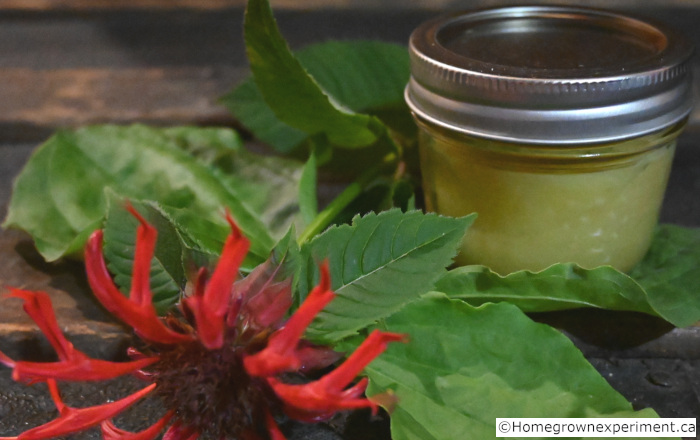
• Bee Balm (Monarda): Known to be a strong anti-bacterial, antioxidant, anti-microbial, anti-viral, anti-infectious, and a wide-spectrum anti-bacterial. It’s also known for being an analgesic, soothing to the nervous system (especially in cases of insomnia and anxious or depressed feelings), great for the skin, and a very useful oil in respiratory ailments due to its anti-inflammatory and mucolytic properties.
Feel free to experiment with different herbs or create custom blends to suit your specific needs and preferences.
Once you've chosen your herbs, it's time to infuse them into a carrier oil. This process extracts the beneficial compounds from the herbs and imparts their healing properties to the oil. To infuse your herbs:
1. Place your dried herbs in a clean, dry jar, filling it about halfway.
2. Pour your chosen carrier oil—such as olive oil, coconut oil, or almond oil—over the herbs, ensuring they are fully submerged.
3. Seal the jar tightly and place it in a warm, sunny spot to steep for at least 2-4 weeks, shaking it gently every day to encourage thorough infusion.
After the infusion period, strain the herbs from the oil using cheesecloth or a fine-mesh strainer, and your herbal-infused oil is ready to use in your salve recipe.
With your herbal-infused oil in hand, it's time to transform it into a healing salve. Here's a simple recipe to get you started:
Ingredients:
• 1 cup herbal-infused oil
• 1/4 cup beeswax pellets or grated beeswax
• Optional: a few drops of essential oils for fragrance and additional therapeutic benefits
1. In a double boiler or makeshift setup, melt the beeswax over low heat until fully liquefied.
2. Once the beeswax is melted, slowly pour in the herbal-infused oil, stirring gently to combine.
3. Remove the mixture from heat and add any optional essential oils, stirring well to distribute.
4. Quickly pour the liquid salve into clean, sterilized jars or tins, as it will begin to solidify as it cools.
5. Allow the salve to cool completely before sealing the containers.
Congratulations! You've successfully crafted your own herbal salves from dried herbs. To use your salves, simply apply a small amount to the affected area and gently massage until absorbed. Store your salves in a cool, dry place away from direct sunlight, and they should keep for several months.
Whether you're looking to soothe dry skin, ease muscle tension, or support overall wellness, homemade herbal salves are a wonderful addition to your natural health and beauty routine. Experiment with different herbs and formulations to discover the perfect blend for your needs, and enjoy the healing benefits of nature's bounty right at your fingertips.
*I am not a doctor nor am I giving any medical advice. Please consult your doctor for any actual medical advice*
Categories: Herbs, Experiments Tags: #Salves, #DIY
 November 16th, 2023
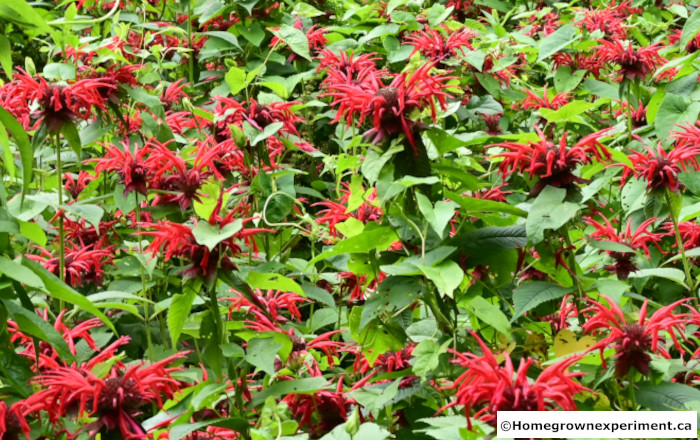
In the world of gardening and herbalism, few plants capture the imagination quite like bee balm (Monarda didyma).
 July 3rd, 2024
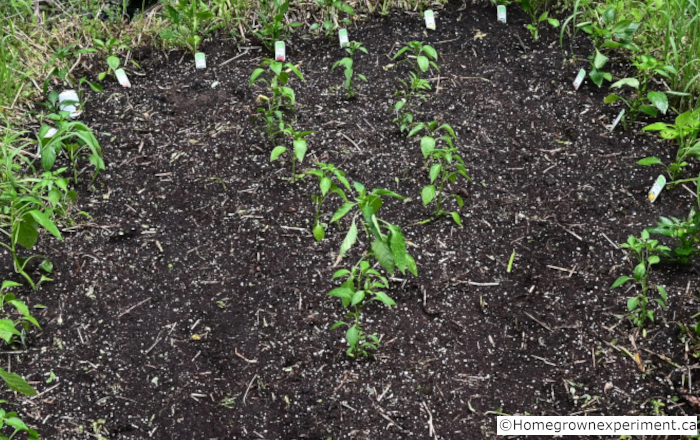
From sweet bell peppers in a rainbow of colors to spicy jalapeños and even the intimidating ghost peppers, the possibilities are endless.
 August 23rd, 2023
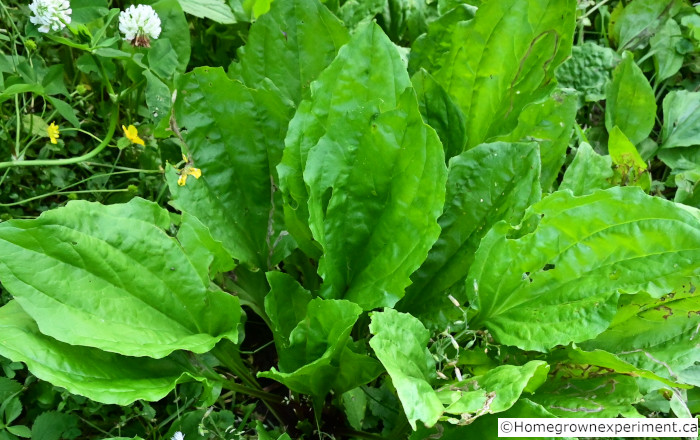
In the world of herbal medicine, few plants are as revered and relied upon as plantain (Plantago major).
 May 11th, 2024
This mesmerizing light display is a breathtaking testament to the power of our planet's atmosphere