The Northern Lights (Aurora Borealis): Nature's Amazing Light Show
There are few natural wonders on Earth that can rival the captivating beauty of the Northern Lights. Also known as the Aurora Borealis, this mesmerizing light display is a breathtaking testament to the power of our planet's atmosphere. For those fortunate enough to witness it firsthand, the experience is nothing short of magical.
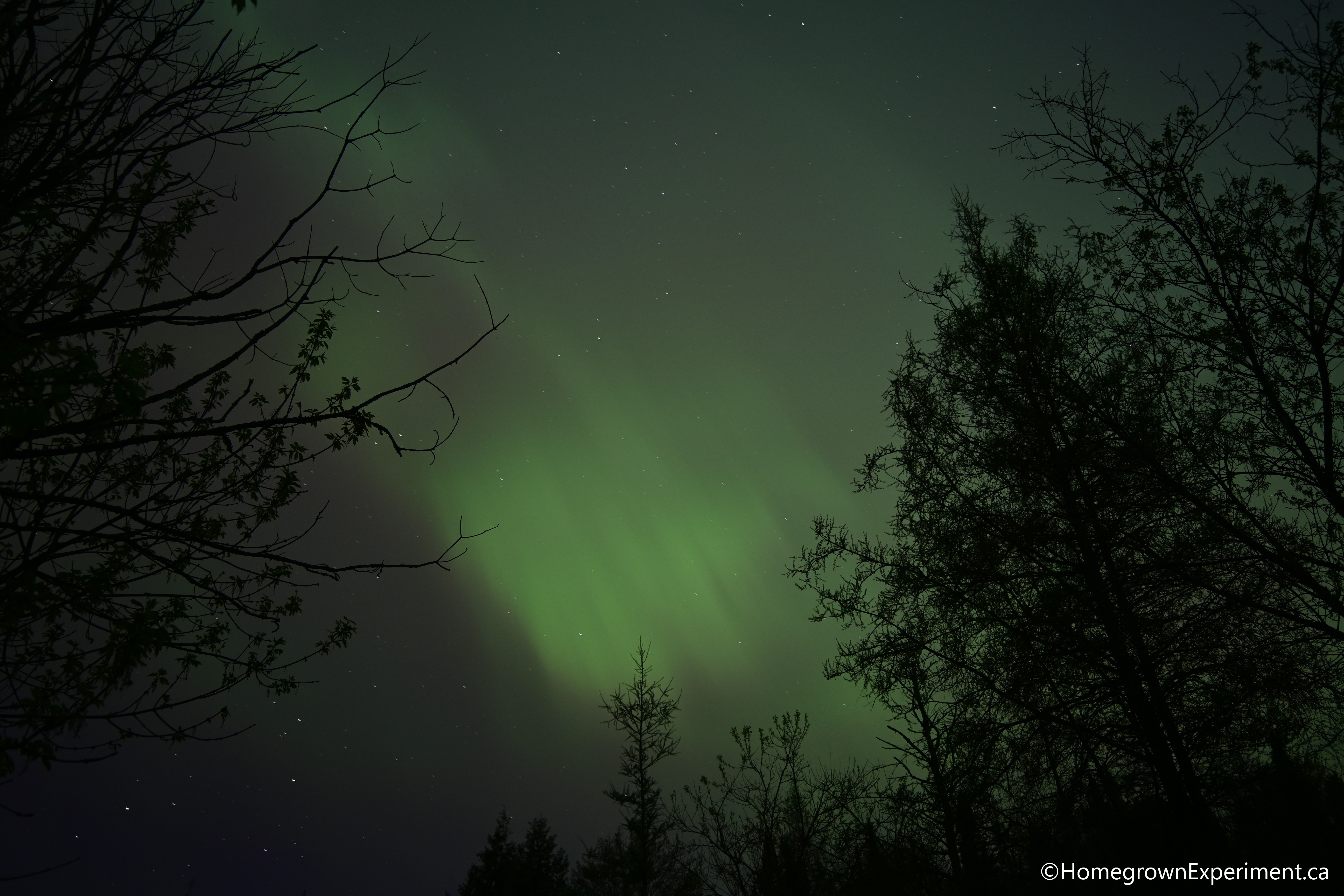
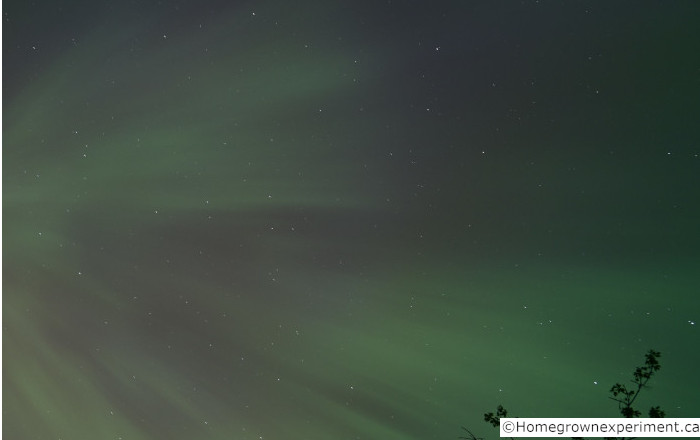
May 10th, 2024 was the first time I saw the northern lights, and the first time getting to photograph them. Let's get into this experiment and see how it turned out.
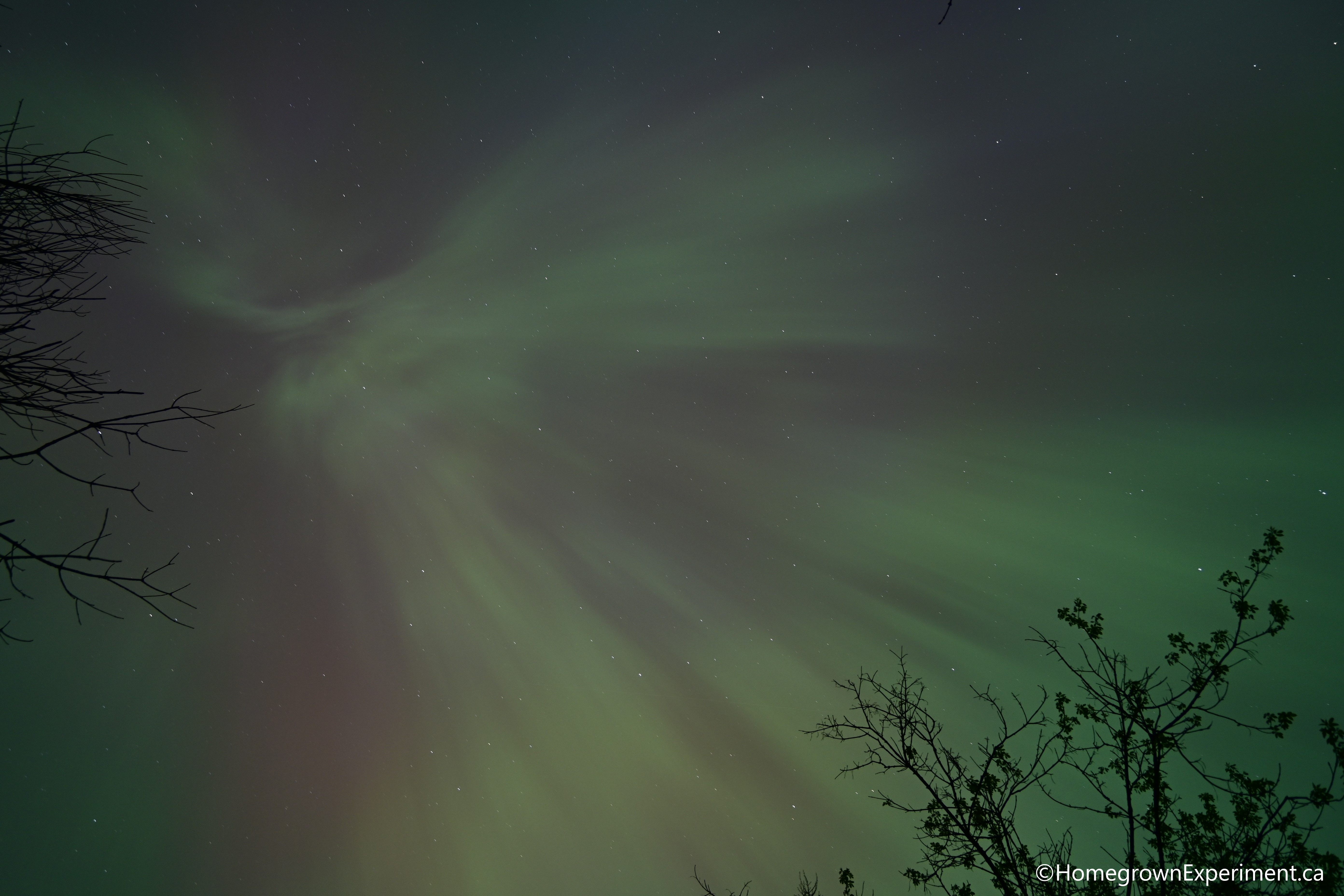
Experiencing the Northern Lights is like witnessing a natural light show in the sky. When you first spot them, it's like seeing faint green streaks in the darkness. As time passes, the colors intensify, and you might see curtains of light moving and swirling above you. It's like watching a mesmerizing dance unfold right before your eyes. Each display is unique, with its own patterns and colors, so no two experiences are exactly alike. But no matter how many times you've seen them, the Northern Lights always leave you in awe of the beauty and power of nature.
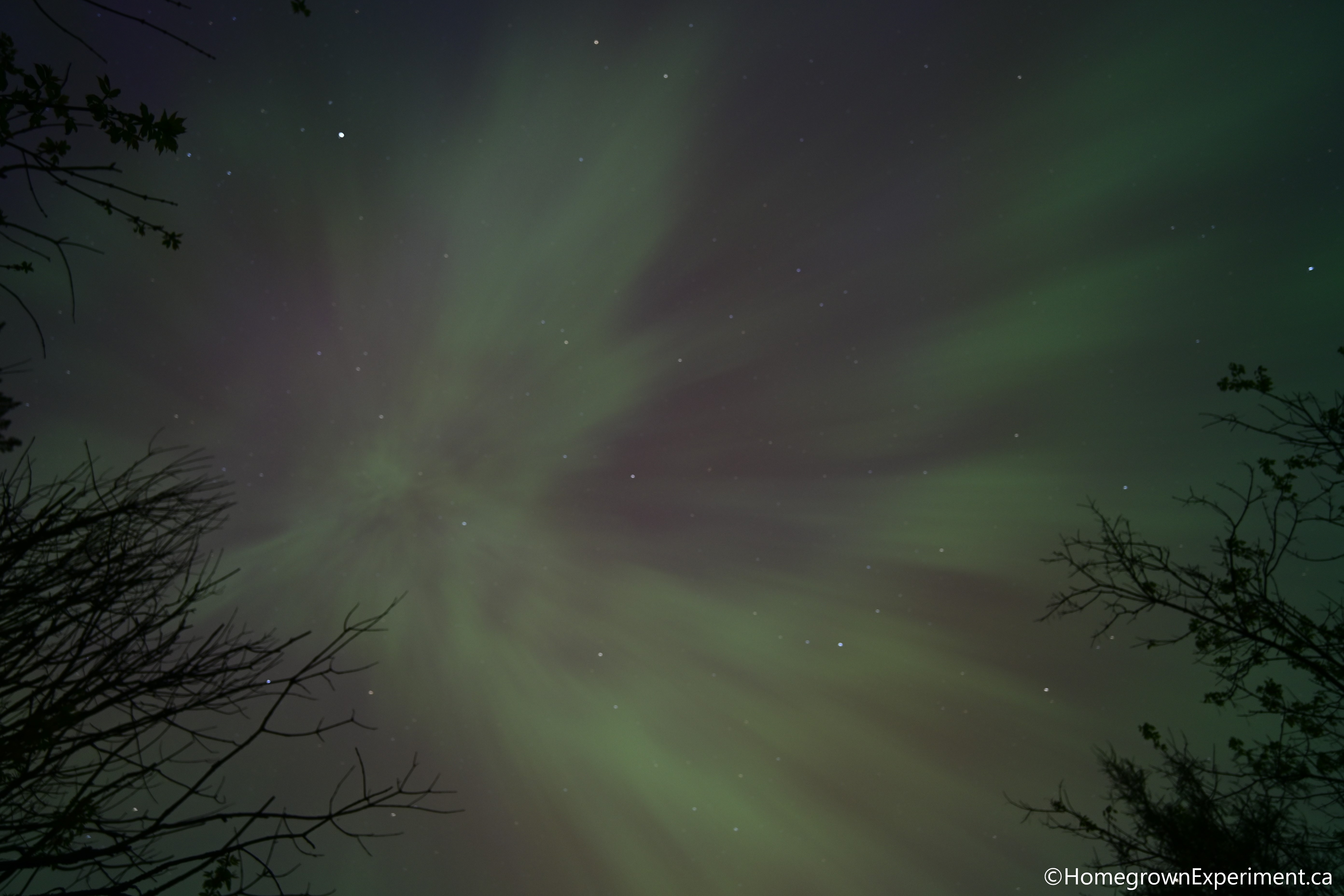
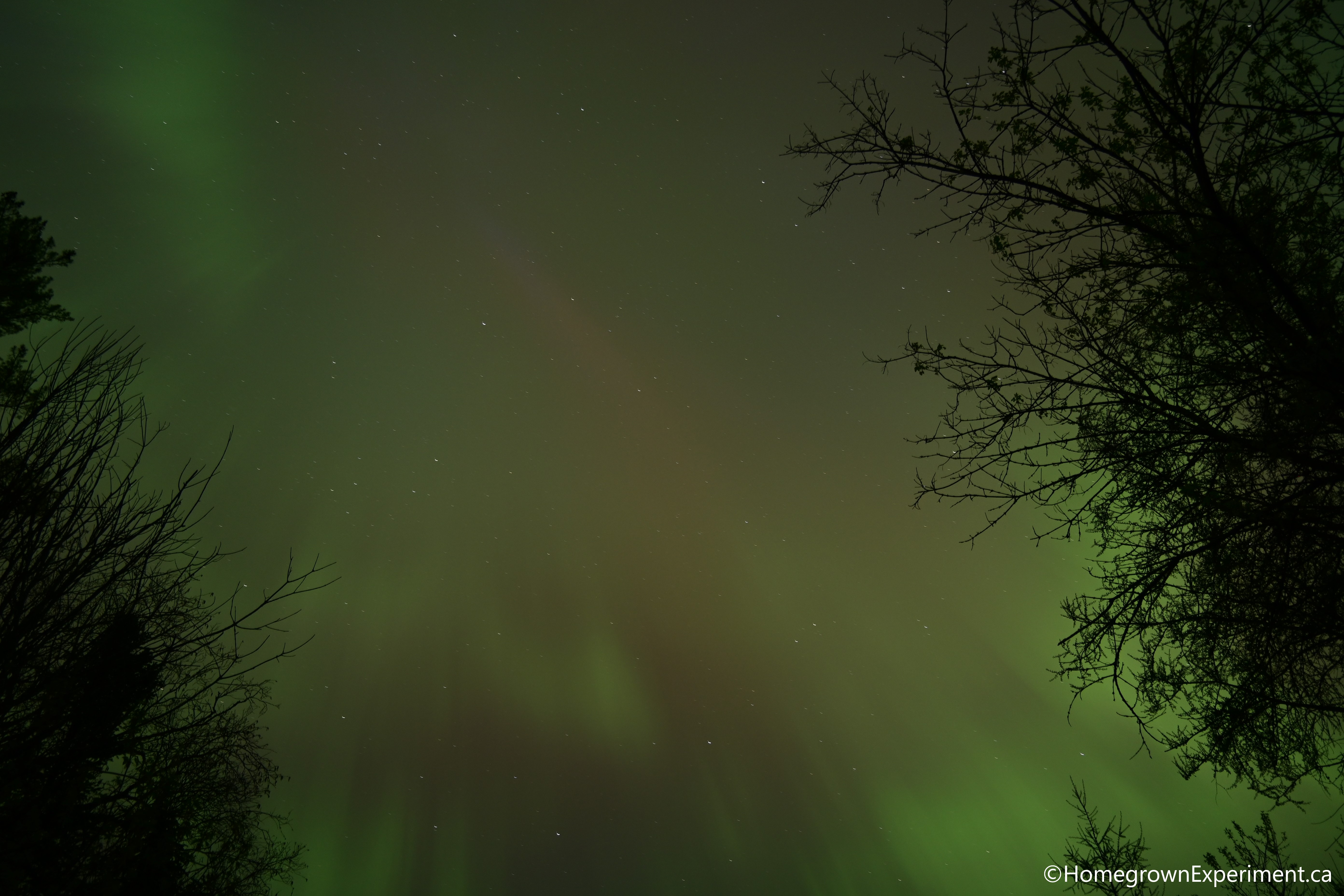
The Aurora Borealis is caused by the interaction between charged particles from the sun and the Earth's magnetic field. These particles, mainly electrons and protons, are released during solar flares and coronal mass ejections on the sun. When they reach the Earth's atmosphere, they collide with gases such as oxygen and nitrogen. These collisions excite the atoms in the atmosphere, causing them to release energy in the form of light. Oxygen typically produces green and red lights, while nitrogen can produce blue, purple, and sometimes red hues.
The shape, color, and intensity of the Northern Lights can vary greatly depending on factors such as the type of gas particles involved, the altitude of the collisions, and the strength of the solar activity. They can appear as shimmering curtains, arcs, spirals, or even pulsating patches across the night sky.
1. Monitor Aurora Forecasts: Keep an eye on aurora forecast websites and apps (we like https://www.swpc.noaa.gov/products/aurora-30-minute-forecast ), which provide real-time updates on geomagnetic activity and the likelihood of auroral displays in your area.
2. Be Patient: Seeing the Northern Lights requires patience and a bit of luck. Be prepared to spend several hours outdoors, as displays can be unpredictable and may not occur every night.
3. Dress Warmly: Winter nights in aurora-viewing regions can be bitterly cold, so dress in multiple layers and invest in warm, insulated clothing to stay comfortable during long nights of skywatching.
4. Bring Camera Gear: Capture the magic of the Northern Lights with a DSLR or mirrorless camera equipped with a wide-angle lens and tripod. Experiment with long exposure settings to photograph the auroras' dynamic movement and vibrant colors.
5. Embrace the Experience: While capturing stunning photos of the Northern Lights is undoubtedly rewarding, don't forget to take a moment to simply marvel at the beauty unfolding above you. Cherish the experience and create lasting memories of this extraordinary natural phenomenon.
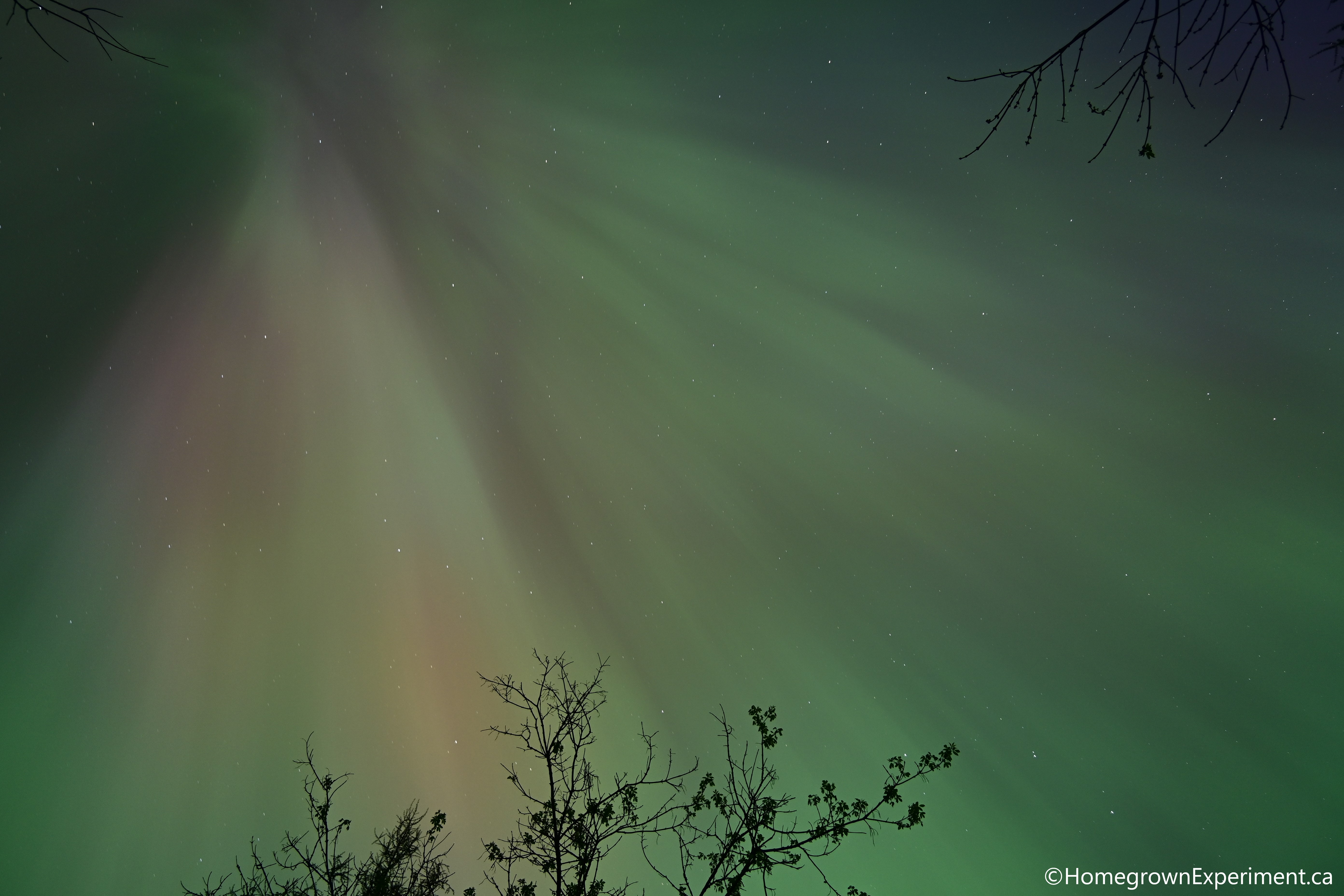
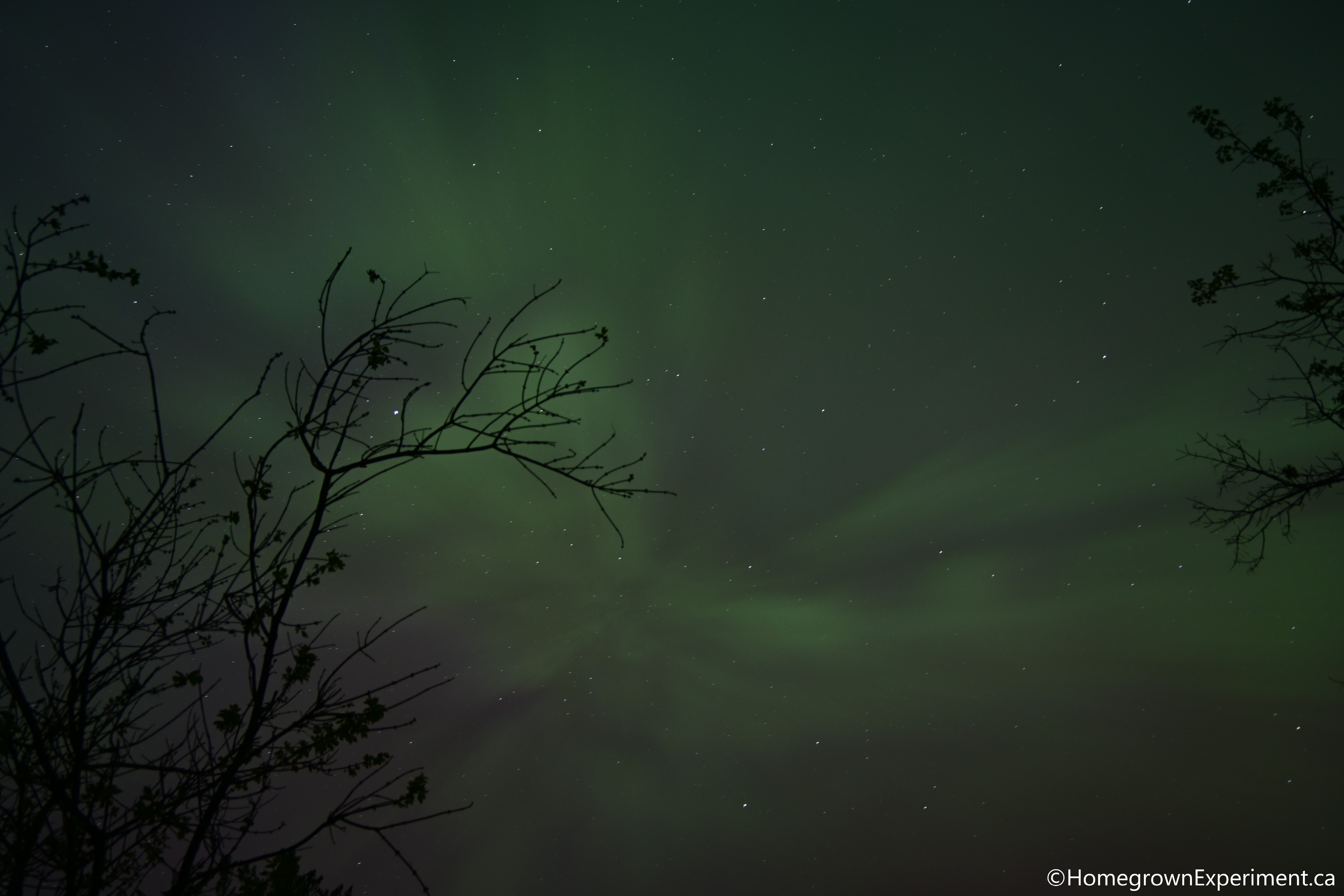
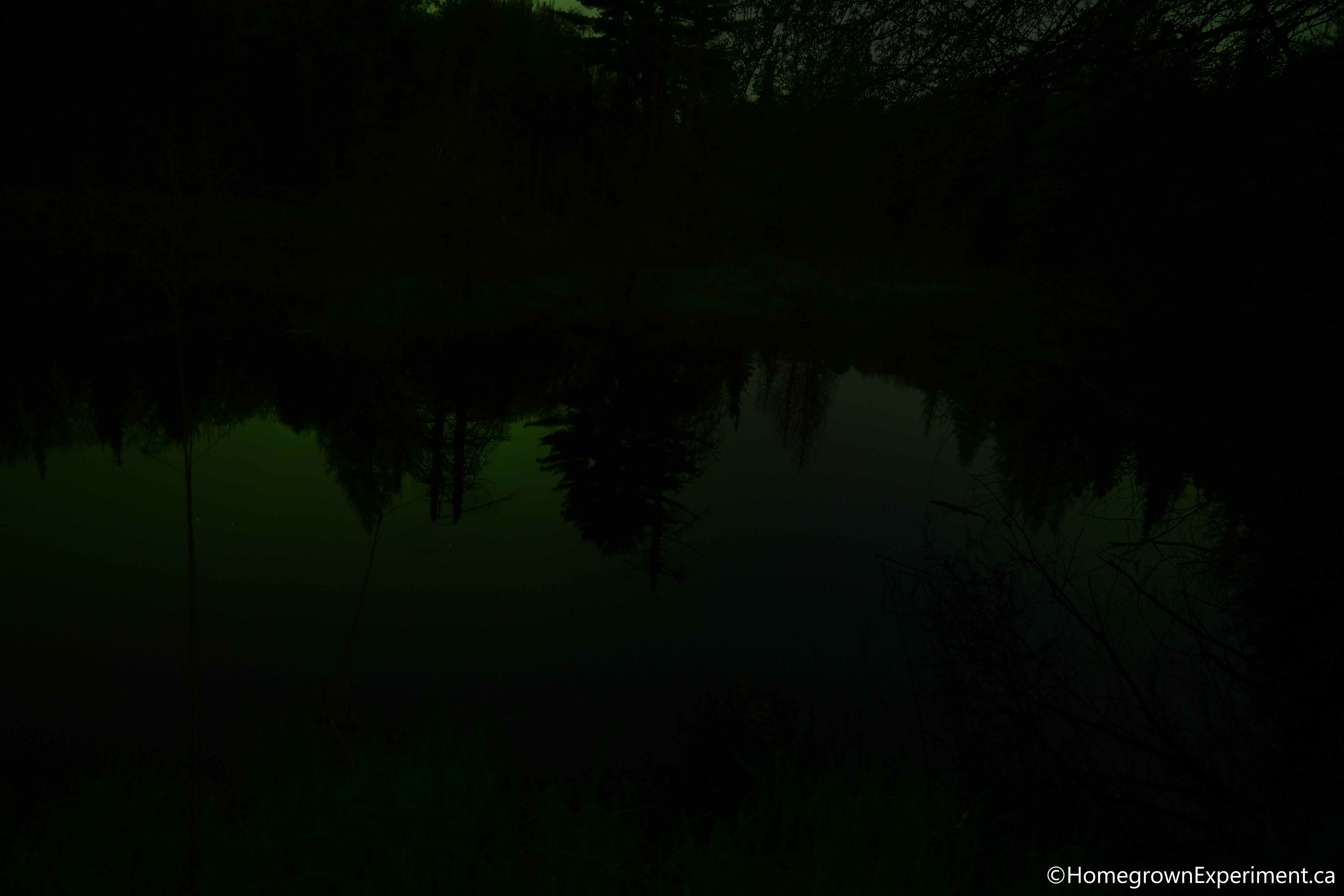
My experience watching and photographing the recent May 10th & 11th 2024 auroras was an amazing and unforgettable experience. Although I tried to play around with the exposure and lighting settings, there was a hundred more things that I wanted to try. However the camera battery died and it was now 5am, so that was it for me!
I hope that anyone else who gets to experience these amazing phenomena comes out of it with a deeper appreciation for just how much our planet does for us!
Categories: Experiments Tags: #Aurora Borealis, #Northern Lights
 November 16th, 2023
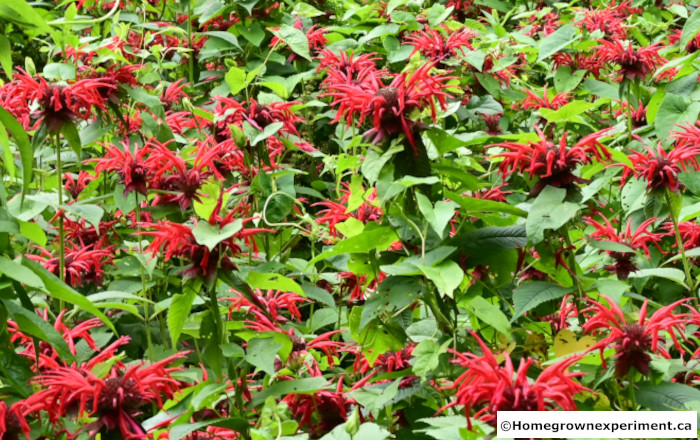
In the world of gardening and herbalism, few plants capture the imagination quite like bee balm (Monarda didyma).
 July 3rd, 2024
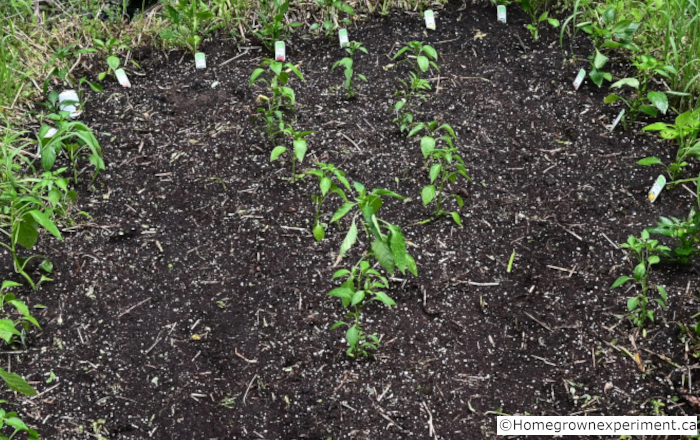
From sweet bell peppers in a rainbow of colors to spicy jalapeños and even the intimidating ghost peppers, the possibilities are endless.
 August 23rd, 2023
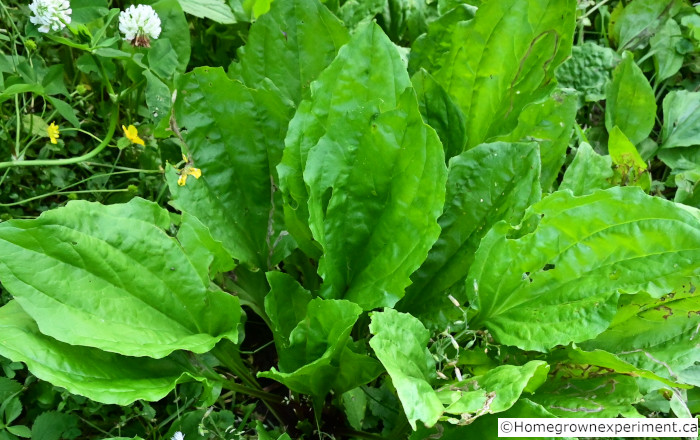
In the world of herbal medicine, few plants are as revered and relied upon as plantain (Plantago major).
 May 11th, 2024
This mesmerizing light display is a breathtaking testament to the power of our planet's atmosphere