The Icelandic Chicken: A Feathered Wonder of Iceland's Heritage
In the breathtaking landscapes of Iceland, where glaciers meet volcanic plains, and rugged cliffs overlook the North Atlantic Ocean, there exists a breed of chicken as hardy and resilient as the land itself - the Icelandic Chicken. While Iceland is renowned for its stunning natural beauty and unique culture, its native chicken breed is a testament to the country's rich agricultural heritage.
The Icelandic Chicken, also known as Íslenska hænan in Icelandic, has a history that stretches back centuries. Brought to Iceland by the early settlers, these chickens played a vital role in the survival of the Icelandic people during harsh winters and unpredictable weather conditions. The breed's ability to thrive in Iceland's challenging environment, coupled with its adaptability and resourcefulness, made it an indispensable part of traditional Icelandic farming.
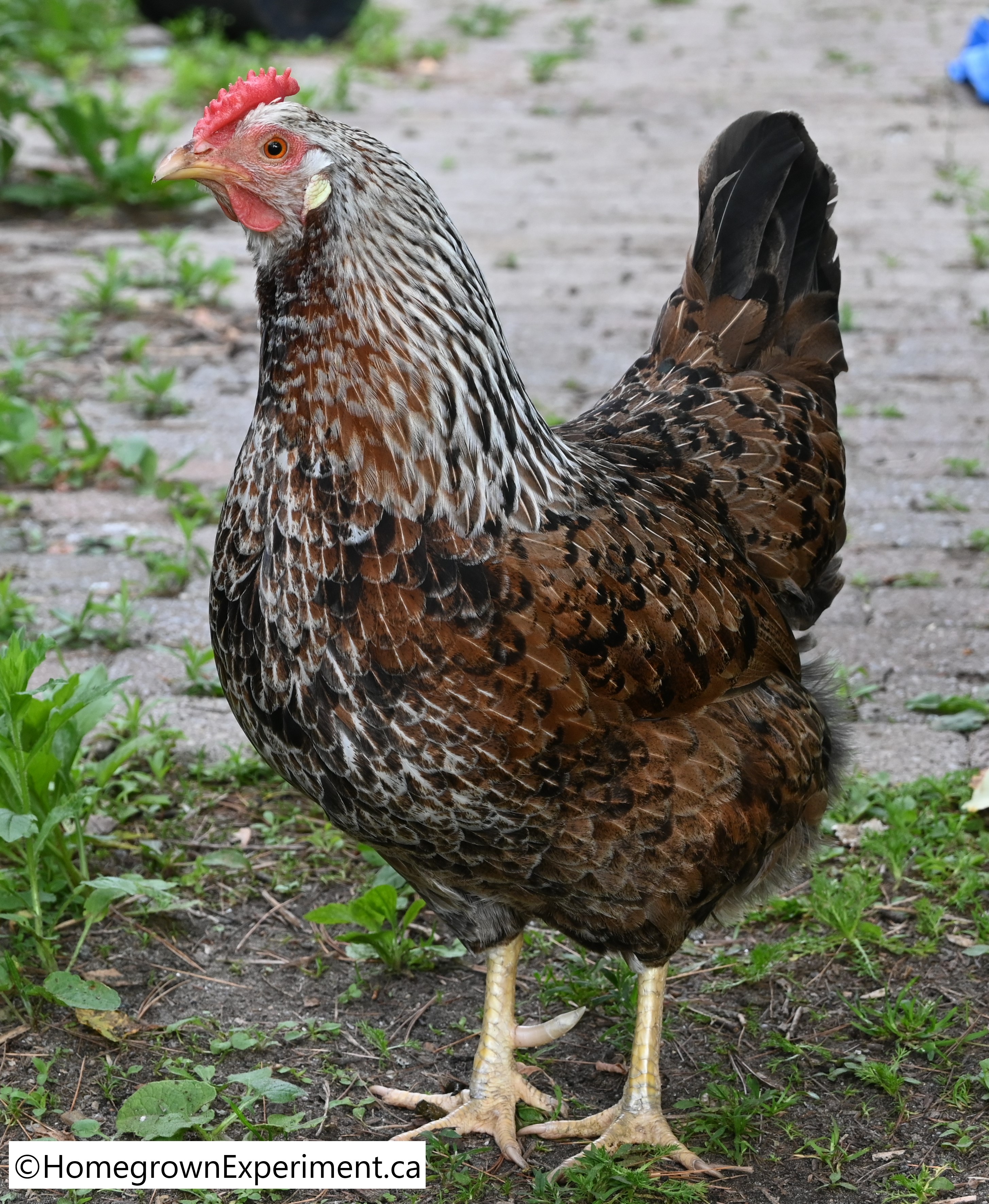
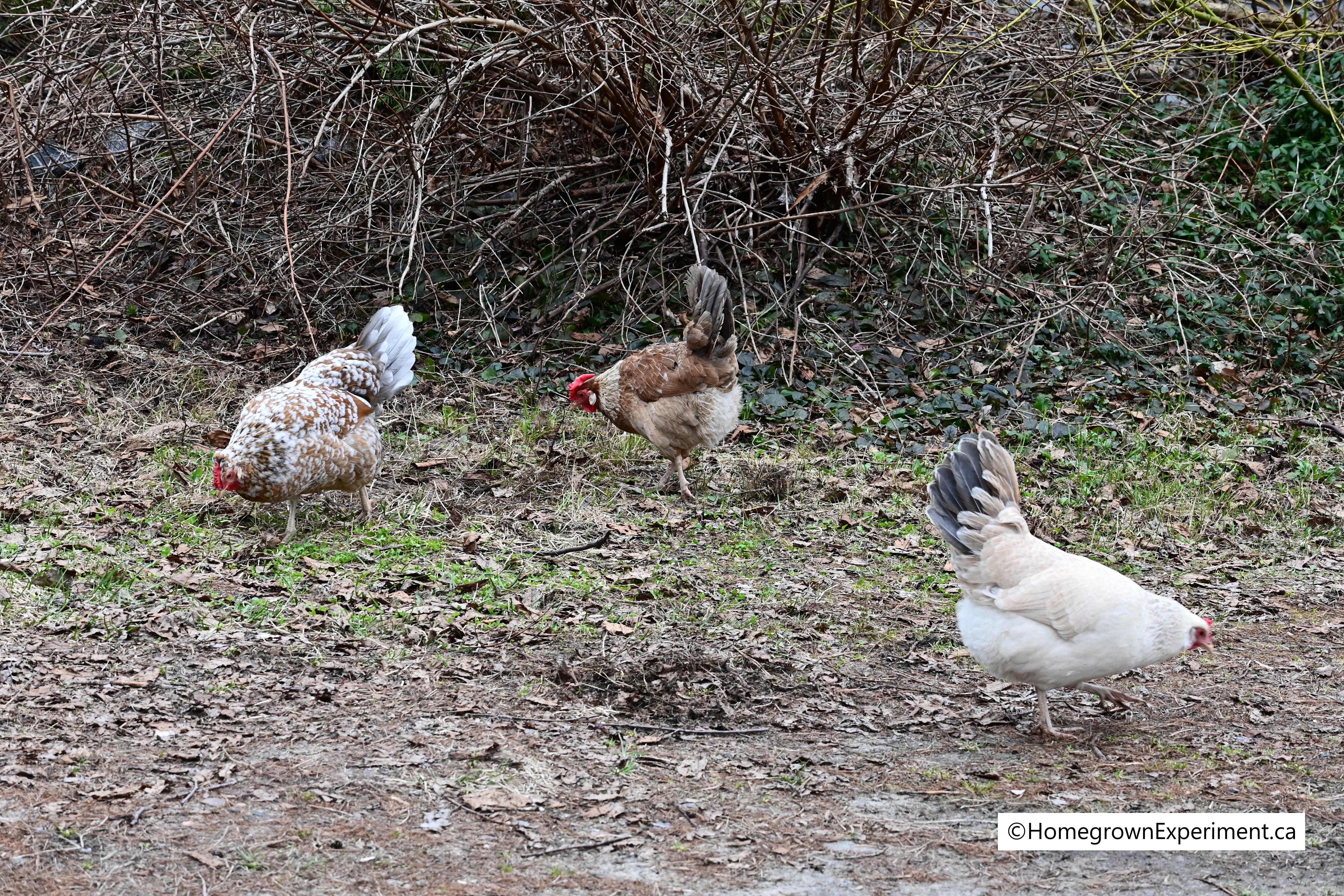
What makes Icelandic Chickens truly remarkable is their resilience and diversity. Unlike many standardized poultry breeds, Icelandic Chickens come in a wide array of colors, patterns, and feather types. From solid blacks and whites to stunning combinations of reds, browns, and blues, each bird is a unique mosaic of colors. This variety is not just aesthetic; it also reflects the breed's genetic diversity and adaptability to different environments.
In addition to their striking appearance, Icelandic Chickens are known for their hardiness and self-sufficiency. Raised in free-range environments, they are excellent foragers, capable of finding food even in the harshest conditions. Their robust constitution enables them to withstand Iceland's cold climate, making them well-suited for outdoor living year-round.
Beyond their practical utility, Icelandic Chickens hold a special place in Icelandic culture. They are celebrated in folklore and art, symbolizing the resilience and spirit of the Icelandic people. In traditional Icelandic households, chickens were cherished for their eggs and meat, providing sustenance during long winters when other food sources were scarce.
Icelandic chickens are believed to have been brought to Iceland by Norse settlers, commonly referred to as Vikings, around the late 9th century (circa 874 AD). These settlers came from Scandinavia, primarily Norway, and brought with them livestock, including chickens, which were essential for survival.
Genetic studies suggest that Icelandic chickens have a diverse genetic background, likely due to their origins in various regions of Scandinavia and possibly the British Isles. They are considered one of the oldest and purest domesticated chicken breeds in Europe.
Today, efforts are underway to preserve and promote the Icelandic Chicken breed, ensuring that it remains an integral part of Iceland's agricultural heritage. Organizations such as the Icelandic Poultry Breeders' Association work tirelessly to conserve the breed's genetic diversity and promote responsible breeding practices.
In a world where standardized breeds dominate industrial agriculture, the Icelandic Chicken stands as a testament to the importance of preserving biodiversity and cultural heritage. Its resilience, diversity, and cultural significance make it a cherished symbol of Iceland's past, present, and future.
Whether roaming the volcanic plains of Iceland or finding a new home in far-flung corners of the globe, the Icelandic Chicken continues to captivate with its beauty and resilience. As stewards of our planet's biodiversity, let us honor and protect these magnificent birds, ensuring that future generations can marvel at their splendor and appreciate their role in shaping Iceland's agricultural landscape.
 November 16th, 2023
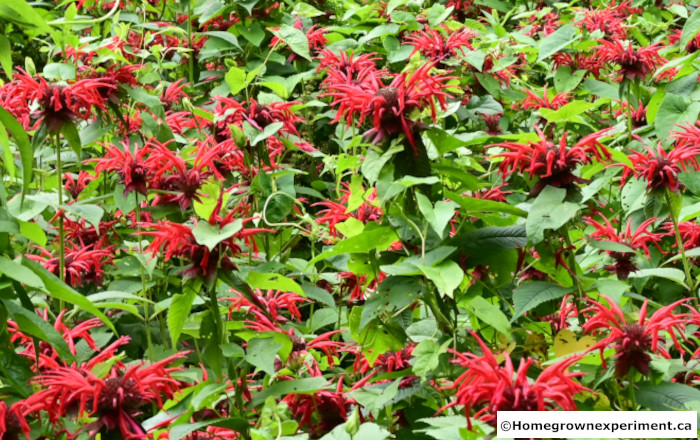
In the world of gardening and herbalism, few plants capture the imagination quite like bee balm (Monarda didyma).
 July 3rd, 2024
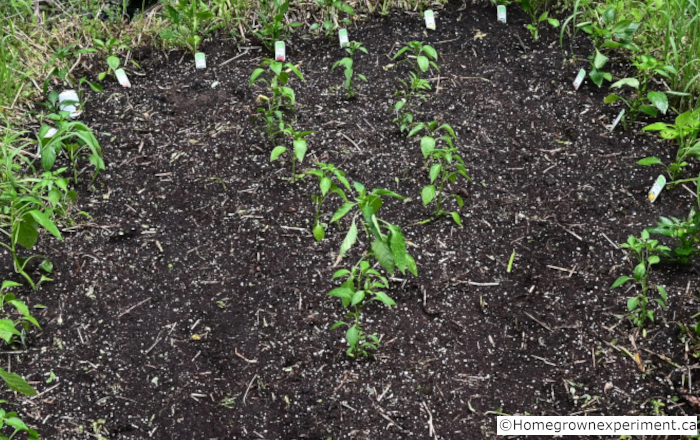
From sweet bell peppers in a rainbow of colors to spicy jalapeños and even the intimidating ghost peppers, the possibilities are endless.
 August 23rd, 2023
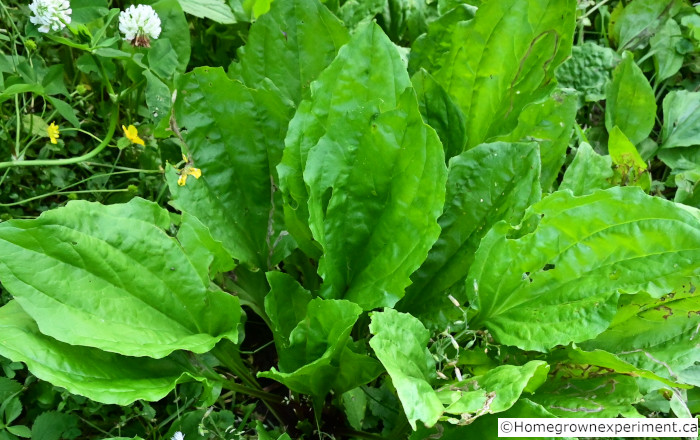
In the world of herbal medicine, few plants are as revered and relied upon as plantain (Plantago major).
 May 11th, 2024
This mesmerizing light display is a breathtaking testament to the power of our planet's atmosphere