Dealing with Common Tomato Problems
Summer has arrived, and with it comes all of our favorite summer garden veggies! Everything is growing really well, looks great, and then one day you check on your garden and you see yellowing leaves.
If your like me the first year I tried growing a veggie garden, you might think it could be from a bit of stress from the "less than perfect" watering method or from a bug or too much heat, so you just let it be for now.
Next thing you know it seems to be on every plant, and getting worse and worse! Garden fail incoming, right?!
But it doesn't have to be that way, there are ways to deal with the issues and still have your garden succeed! Let's look into the steps you can take to mitigate the problems
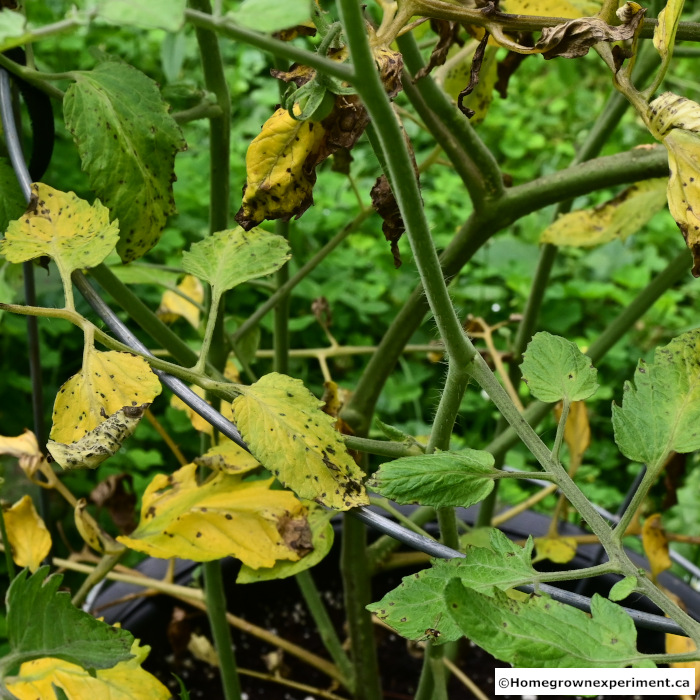
Tomatoes in particular seem to be problem magnets. Here is an extensive list of common issues they are susceptible to:
1. Early Blight
Symptoms: Dark spots on older leaves, yellowing, and leaf drop.
Cause: Fungus (Alternaria solani).
2. Late Blight
Symptoms: Dark, water-soaked spots on leaves and fruit.
Cause: Fungus (Phytophthora infestans).
3. Septoria Leaf Spot
Symptoms: Small, circular spots with dark borders on leaves.
Cause: Fungus (Septoria lycopersici).
4. Fusarium Wilt
Symptoms: Yellowing and wilting of leaves, often starting on one side.
Cause: Fungus (Fusarium oxysporum).
5. Verticillium Wilt
Symptoms: Yellowing of leaves, stunted growth.
Cause: Fungus (Verticillium spp.).
6. Anthracnose
Symptoms: Sunken spots on fruit.
Cause: Fungus (Colletotrichum spp.).
7. Tomato Spotted Wilt Virus
Symptoms: Bronze or dark spots on leaves, ring patterns on fruit.
Cause: Virus spread by thrips.
8. Bacterial Speck
Symptoms: Small, dark, raised spots on leaves and fruit.
Cause: Bacteria (Pseudomonas syringae).
9. Bacterial Spot
Symptoms: Water-soaked spots on leaves and fruit.
Cause: Bacteria (Xanthomonas campestris).
10. Bacterial Canker
Symptoms: Wilting, browning of leaf edges, cankers on stems.
Cause: Bacteria (Clavibacter michiganensis).
1. Aphids
Symptoms: Curled leaves, sticky residue (honeydew).
2. Tomato Hornworms
Symptoms: Large holes in leaves, defoliation.
3. Whiteflies
Symptoms: Yellowing leaves, honeydew.
4. Spider Mites
Symptoms: Tiny yellow spots, webbing.
5. Cutworms
Symptoms: Seedlings cut at soil level.
1. Blossom End Rot
Symptoms: Dark, sunken spots on the blossom end of the fruit.
Cause: Calcium deficiency, inconsistent watering.
2. Cracking
Symptoms: Cracks on the fruit, especially after heavy rain.
Cause: Rapid growth due to fluctuating water availability.
3. Sunscald
Symptoms: White, leathery patches on fruit.
Cause: Exposure to intense sunlight.
4. Catfacing
Symptoms: Misshapen fruit with scars.
Cause: Cool temperatures during fruit set.
5. Leaf Roll
Symptoms: Rolling or curling of leaves.
Cause: Environmental stress, over-pruning.
Now that you’ve identified the issue, here’s how you can tackle each problem:
1. Early Blight
Remove and destroy infected leaves, avoid overhead watering, apply fungicides (e.g., chlorothalonil, copper-based fungicides).
2. Late Blight
Remove and destroy infected plants immediately, apply fungicides (e.g., copper-based fungicides), ensure good air circulation, avoid overhead watering.
3. Septoria Leaf Spot
Remove and destroy infected leaves, apply fungicides (e.g., chlorothalonil, copper-based fungicides), practice crop rotation.
4. Fusarium Wilt
Remove and destroy infected plants, solarize soil to kill the fungus, use resistant varieties, rotate crops.
5. Verticillium Wilt
Remove and destroy infected plants, solarize soil, use resistant varieties, rotate crops.
6. Anthracnose
Remove and destroy infected fruit, apply fungicides (e.g., chlorothalonil, copper-based fungicides), avoid overhead watering, mulch to prevent soil splash.
7. Tomato Spotted Wilt Virus
Remove and destroy infected plants, control thrips with insecticides (e.g., spinosad), use resistant varieties, practice good garden hygiene.
8. Bacterial Speck
Remove and destroy infected plants, apply copper-based bactericides, avoid overhead watering, rotate crops.
9. Bacterial Spot
Remove and destroy infected plants, apply copper-based bactericides, avoid overhead watering, rotate crops.
10. Bacterial Canker
Remove and destroy infected plants, disinfect tools, avoid overhead watering, rotate crops.
1. Aphids
Use insecticidal soap or neem oil, encourage or purchase natural predators (e.g., ladybugs), spray with a strong stream of water to dislodge.
2. Tomato Hornworms
Handpick and destroy, use Bt (Bacillus thuringiensis), encourage natural predators (e.g., birds).
3. Whiteflies
Use yellow sticky traps, insecticidal soap, neem oil, encourage or purchase natural predators (e.g., ladybugs).
4. Spider Mites
Use miticides, insecticidal soap, neem oil, keep plants well-watered to reduce stress.
5. Cutworms
Use protective collars around seedlings, spread diatomaceous earth around plants, encourage natural predators (e.g., birds).
1. Blossom End Rot
Ensure consistent watering, add calcium to the soil (e.g., crushed eggshells, calcium nitrate), mulch to retain moisture.
2. Cracking
Water consistently, mulch to retain moisture, choose crack-resistant varieties, pick fruit promptly after rain.
3. Sunscald
Provide shade for fruit during intense sunlight, avoid excessive pruning that exposes fruit, use shade cloth if necessary.
4. Catfacing
Avoid planting too early in the season, use row covers to protect young plants from cold, choose catface-resistant varieties.
5. Leaf Roll
Avoid over-pruning, ensure consistent watering, mulch to retain moisture, avoid heavy nitrogen fertilization.
• Crop Rotation: Rotate your tomato crops with non-solanaceous crops every year to prevent soil-borne diseases.
• Sanitation: Keep the garden clean by removing plant debris and weeds, and disinfect tools regularly.
• Proper Spacing: Space plants adequately to ensure good air circulation.
• Watering Techniques: Water at the base of the plants rather than overhead, and water in the morning to allow leaves to dry out during the day.
• Resistant Varieties: Choose disease-resistant tomato varieties when possible.
By following these steps, you can effectively manage and prevent issues in your tomato garden, ensuring a healthy and productive crop.
Happy gardening!
Categories: Growing Tags: #Tomato, #Common problems
 November 16th, 2023
In the world of gardening and herbalism, few plants capture the imagination quite like bee balm (Monarda didyma).
 July 3rd, 2024
From sweet bell peppers in a rainbow of colors to spicy jalapeños and even the intimidating ghost peppers, the possibilities are endless.
 August 23rd, 2023
In the world of herbal medicine, few plants are as revered and relied upon as plantain (Plantago major).
 May 11th, 2024
This mesmerizing light display is a breathtaking testament to the power of our planet's atmosphere