Get a Jumpstart on Spring: The Benefits of Starting Seeds Indoors
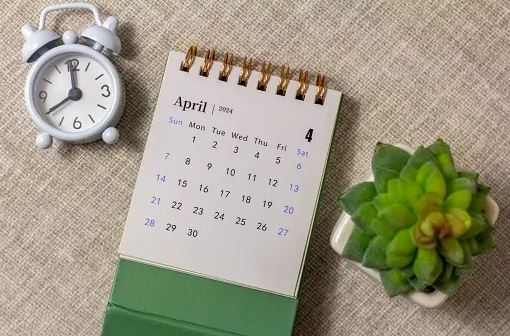
As the winter chill lingers, gardeners eagerly anticipate the arrival of spring and the opportunity to dig into the soil once again. But why wait for warmer weather to kickstart your gardening endeavors? With a bit of planning and preparation, you can get a head start on the growing season by starting seeds indoors. In this guide, we'll explore the benefits of indoor seed starting and provide tips for success, helping you cultivate robust and healthy seedlings ready for transplant when spring finally arrives.
One of the most significant advantages of starting seeds indoors is the ability to extend your growing season. By sowing seeds indoors several weeks before the last frost date in your area, you give your plants a head start on growth. This extra time allows seedlings to establish strong root systems and develop healthy foliage, resulting in more robust plants when it's time to move them outdoors.
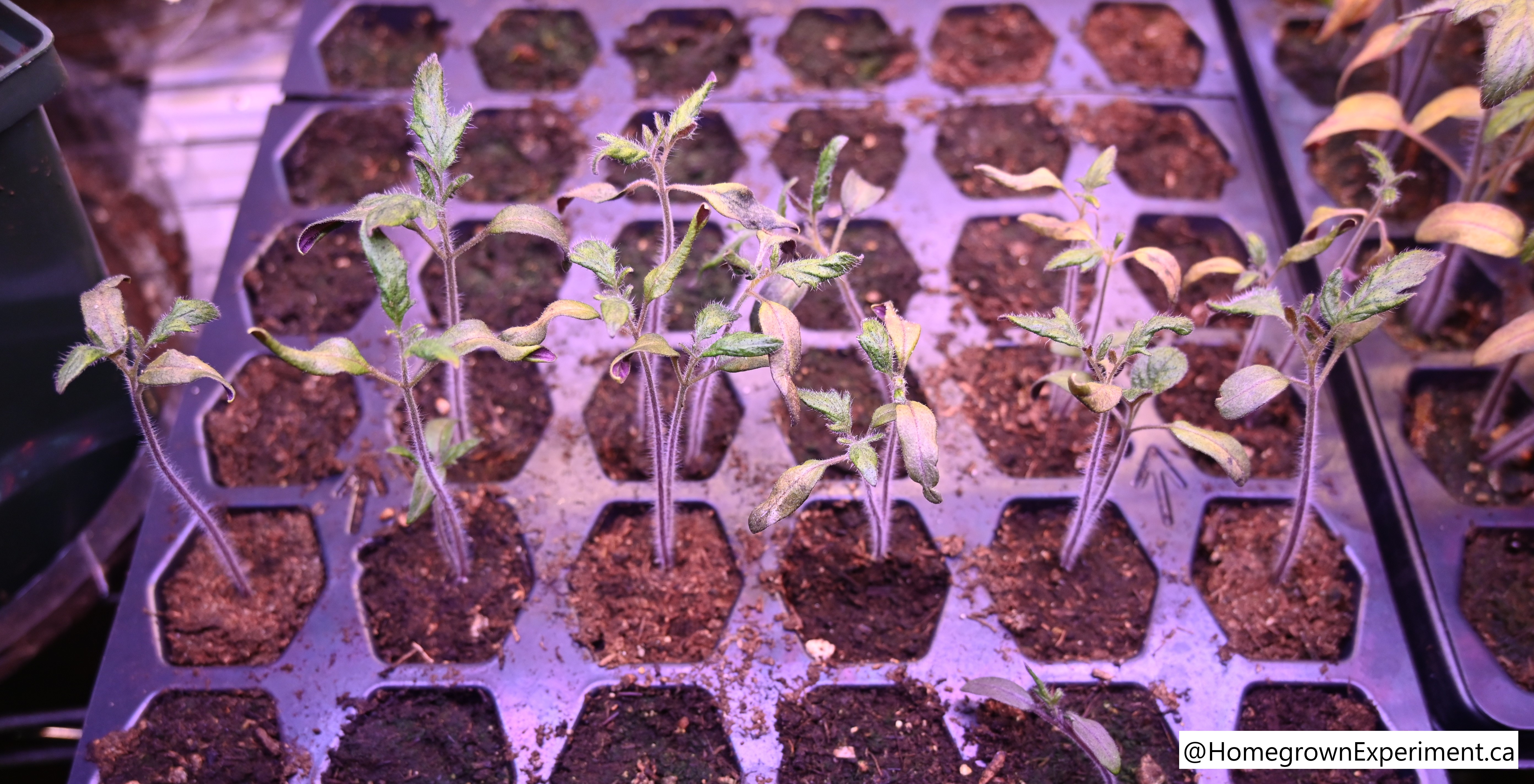
Starting seeds indoors opens up a world of possibilities when it comes to plant selection. You're no longer limited to the varieties available at your local nursery or garden center. Instead, you have the freedom to choose from a wide range of seeds, including heirloom and rare varieties, to suit your tastes and preferences.
Additionally, indoor seed starting gives you greater control over growing conditions, allowing you to create the ideal environment for your plants to thrive. From temperature and humidity levels to soil composition and lighting, you can tailor each aspect of the growing process to meet the specific needs of your seedlings.
Growing plants from seeds is often more cost-effective than purchasing established seedlings or plants. A single packet of seeds can yield multiple plants, providing you with an abundance of produce or flowers for a fraction of the cost. Plus, by starting seeds indoors, you can save money on heating bills by utilizing indoor space and natural light, rather than relying solely on outdoor resources.
Starting seeds indoors is not only practical but also educational. It offers a hands-on learning experience for gardeners of all ages, from novice enthusiasts to seasoned pros. Children, in particular, can benefit from witnessing the magic of seed germination and observing the growth process firsthand. It's a valuable opportunity to teach them about plant life cycles, biology, and the importance of environmental stewardship.
• Choose the Right Containers: Opt for seed trays or biodegradable pots filled with a well-draining seed starting mix.
• Label your pots: Nothing is worse than not knowing what any of the plants are!
• Provide Adequate Light: Place seedlings in a bright location or supplement with grow lights to ensure they receive sufficient light for healthy growth.
• Maintain Consistent Moisture: Keep the soil evenly moist but not waterlogged to prevent damping-off and other fungal diseases.
• Monitor Temperature and Humidity: Maintain a consistent temperature range between 65-75°F (18-24°C) and moderate humidity levels to promote germination and growth.
• Transplant Carefully: When seedlings have developed their first true leaves, transplant them into larger containers or individual pots to allow for continued growth.
Starting seeds indoors is a rewarding and practical way to get a head start on the gardening season. By extending your growing season, expanding your plant selection, and saving money, you'll reap the rewards of your efforts come springtime. So roll up your sleeves, gather your supplies, and embark on the journey of indoor seed starting—it's a surefire way to cultivate healthy, vibrant plants and kickstart your gardening adventures with confidence.
Categories: Growing Tags: #Seedlings, #Head start
 November 16th, 2023
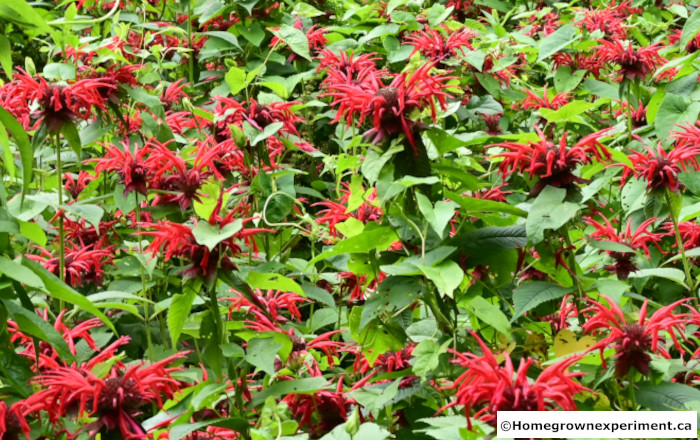
In the world of gardening and herbalism, few plants capture the imagination quite like bee balm (Monarda didyma).
 July 3rd, 2024
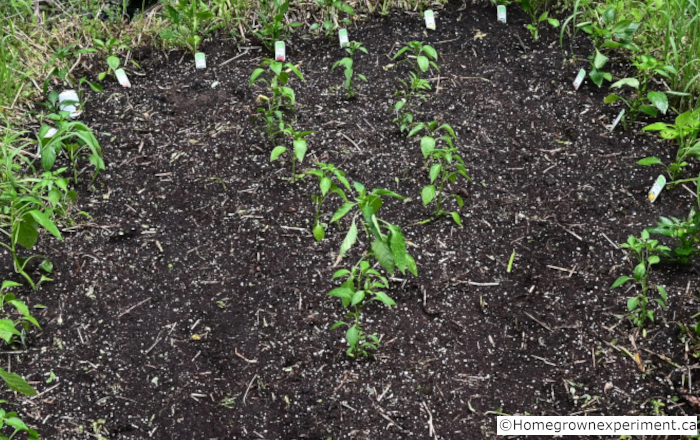
From sweet bell peppers in a rainbow of colors to spicy jalapeños and even the intimidating ghost peppers, the possibilities are endless.
 August 23rd, 2023
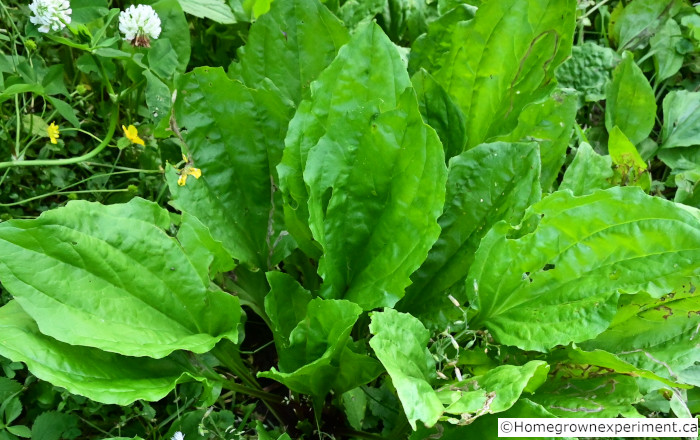
In the world of herbal medicine, few plants are as revered and relied upon as plantain (Plantago major).
 May 11th, 2024
This mesmerizing light display is a breathtaking testament to the power of our planet's atmosphere