Growing Guide - Have your own peppers by planting seeds
Growing your own peppers from seed is a rewarding experience that allows you to enjoy fresh, homegrown produce. Whether you prefer sweet bell peppers or spicy chili varieties, starting peppers from seed gives you more control over the growing process and provides a wider selection of varieties. Here’s a step-by-step guide to help you successfully grow your own peppers.
The first step in growing peppers is selecting the right seeds. Peppers come in a variety of shapes, colors, and heat levels. Some popular choices include:
Sweet Peppers: Bell peppers, banana peppers
Mild Peppers: Anaheim, Poblano
Hot Peppers: Jalapeño, Cayenne, Habanero
Super Hot Peppers: Ghost pepper, Carolina Reaper
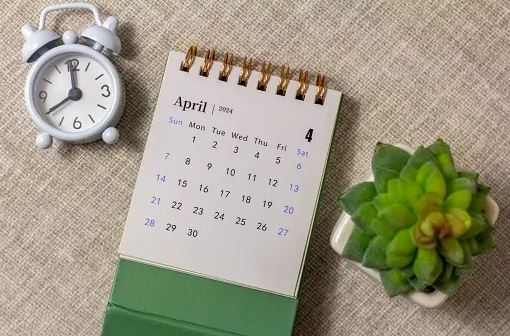
Peppers require a long growing season, so starting seeds indoors 8 to 10 weeks before the last frost date in your area is recommended. Follow these steps:
1. Prepare Containers: Use seed trays or small pots with drainage holes.
2. Use Quality Soil: A light, well-draining seed-starting mix is best.
3. Plant the Seeds: Sow seeds about ¼ inch deep in the soil.
4. Provide Warmth: Peppers need warmth to germinate. Keep the soil temperature between 75-85°F (24-29°C). Using a heat mat can help speed up germination.
5. Keep the Soil Moist: Mist the soil lightly to keep it consistently moist but not soggy.
6. Provide Light: Once seedlings emerge, place them under grow lights or near a sunny window for at least 12-16 hours a day.
Once your pepper plants have at least two sets of true leaves and outdoor temperatures are consistently above 55°F (13°C), they can be transplanted into larger containers or directly into the garden.
1. Harden Off the Seedlings: Gradually introduce your plants to outdoor conditions by placing them outside for a few hours each day over a week.
2. Choose the Right Spot: Peppers thrive in full sun with well-draining soil.
3. Space the Plants: Space them 12-18 inches apart in the garden.
4. Water Well: After transplanting, water the plants thoroughly to help them establish.
Watering: Peppers need consistent watering but do not like soggy soil. Water deeply once or twice a week, depending on weather conditions.
Fertilizing: Use a balanced fertilizer every few weeks or add compost to the soil.
Support: Some pepper plants, especially heavy fruiting varieties, benefit from staking or cages to prevent bending.
Pest Control: Watch for common pests like aphids and caterpillars. Use insecticidal soap or introduce beneficial insects like ladybugs.
Peppers can be harvested at various stages of ripeness. Most peppers start green and change color as they mature. The longer they stay on the plant, the sweeter or hotter they become. Use pruning shears or scissors to cut peppers off rather than pulling them to avoid damaging the plant.
Freshly harvested peppers can be used in a variety of dishes, from salads and stir-fries to homemade hot sauces. You can also preserve them by drying, pickling, or freezing for future use.
Happy gardening!
Categories: Growing Tags: #Seedlings, #Head start
 November 16th, 2023
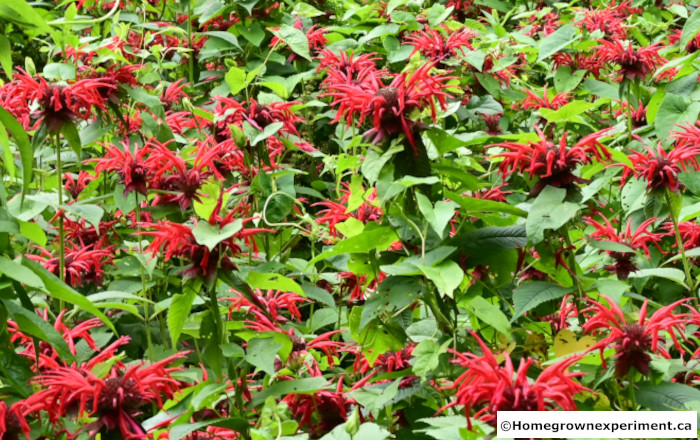
In the world of gardening and herbalism, few plants capture the imagination quite like bee balm (Monarda didyma).
 July 3rd, 2024
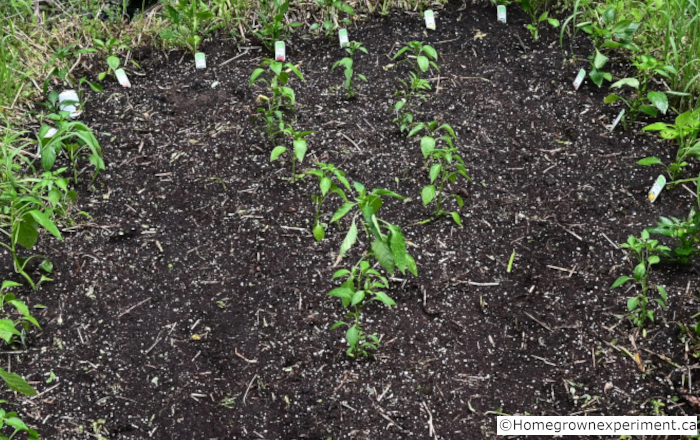
From sweet bell peppers in a rainbow of colors to spicy jalapeños and even the intimidating ghost peppers, the possibilities are endless.
 August 23rd, 2023
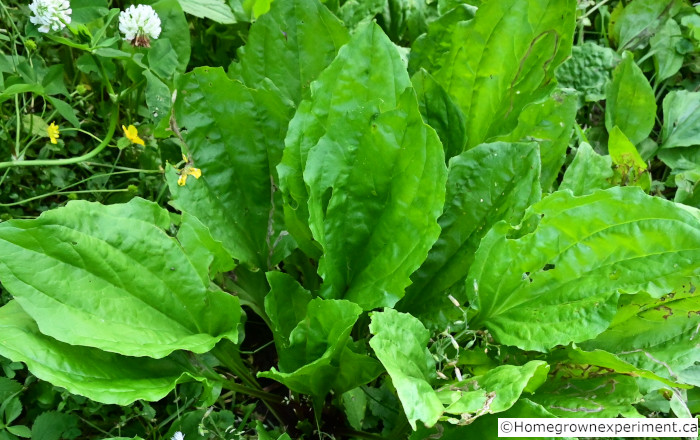
In the world of herbal medicine, few plants are as revered and relied upon as plantain (Plantago major).
 May 11th, 2024
This mesmerizing light display is a breathtaking testament to the power of our planet's atmosphere